lllyasviel
ControlNet SD 1.5 Tile
Downloads
Model Report
Overview
ControlNet SD 1.5 Tile is a generative artificial intelligence model developed by lllyasviel as part of the ControlNet 1.1 series. This model enables fine-grained control over image synthesis and manipulation within the Stable Diffusion 1.5 ecosystem. Distinct from conventional diffusion models, ControlNet SD 1.5 Tile specializes in the handling and regeneration of local image details by dividing input images into discrete tiles, supporting tasks such as super-resolution, detail enhancement, and region-specific reinterpretation. It operates with the capacity to selectively ignore or regenerate details based on local semantic context, which facilitates advanced image editing and upscaling while maintaining fidelity to both global structure and localized content.
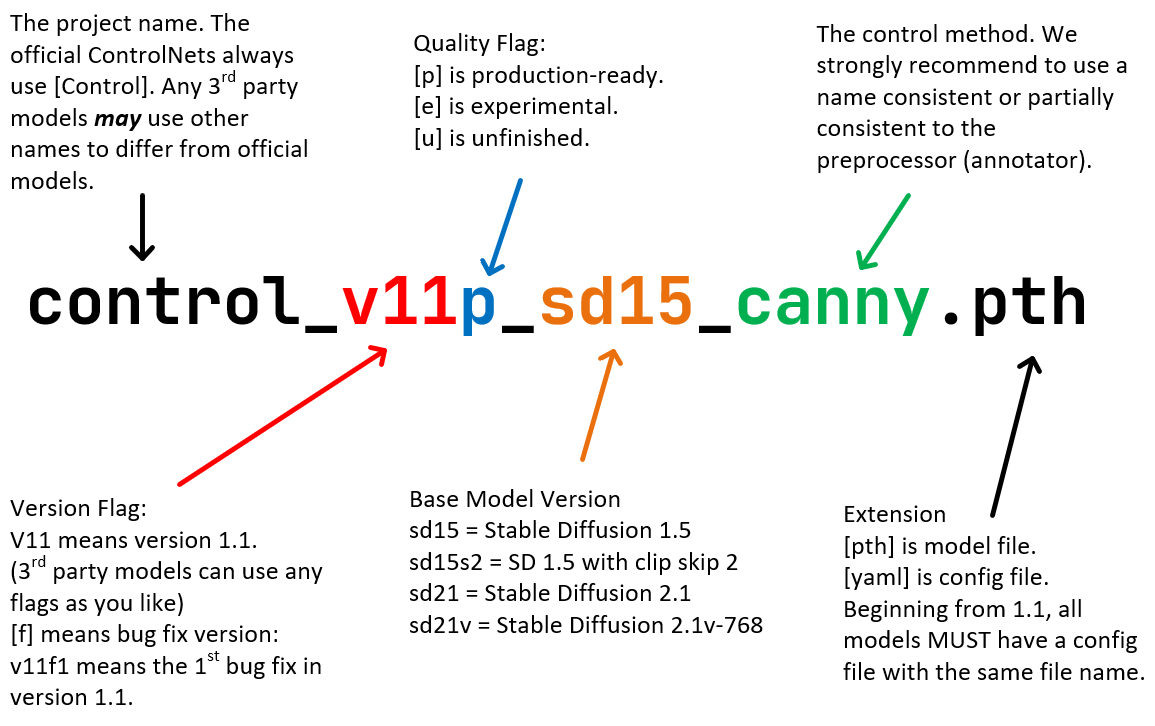
Figure 1. Diagram explaining the standard naming conventions for ControlNet 1.1 models.
Technical Capabilities and Core Features
ControlNet SD 1.5 Tile operates by segmenting images into tiles and performing diffusion-based generation or correction within these localized contexts. This approach is suitable for tasks where maintaining overall image structure is crucial, yet targeted improvement or modification of specific regions is required. The primary capabilities include the ability to ignore global prompts in favor of local tile semantics, avoiding uniform propagation of generative intent across disjoint regions, and the capacity to regenerate image details that are blurred, corrupted, or underresolved.
When provided with low-resolution or artifact-laden images, such as poorly upscaled images or those with limited contextual information, the model reconstructs new, high-fidelity details in each tile. For example, when given a 64×64 image of a dog, ControlNet SD 1.5 Tile generates multiple high-resolution reinterpretations of the input, preserving the basic structure while inventing refined local content, as demonstrated with the prompt "dog on grassland" and a denoising strength of 1.0.
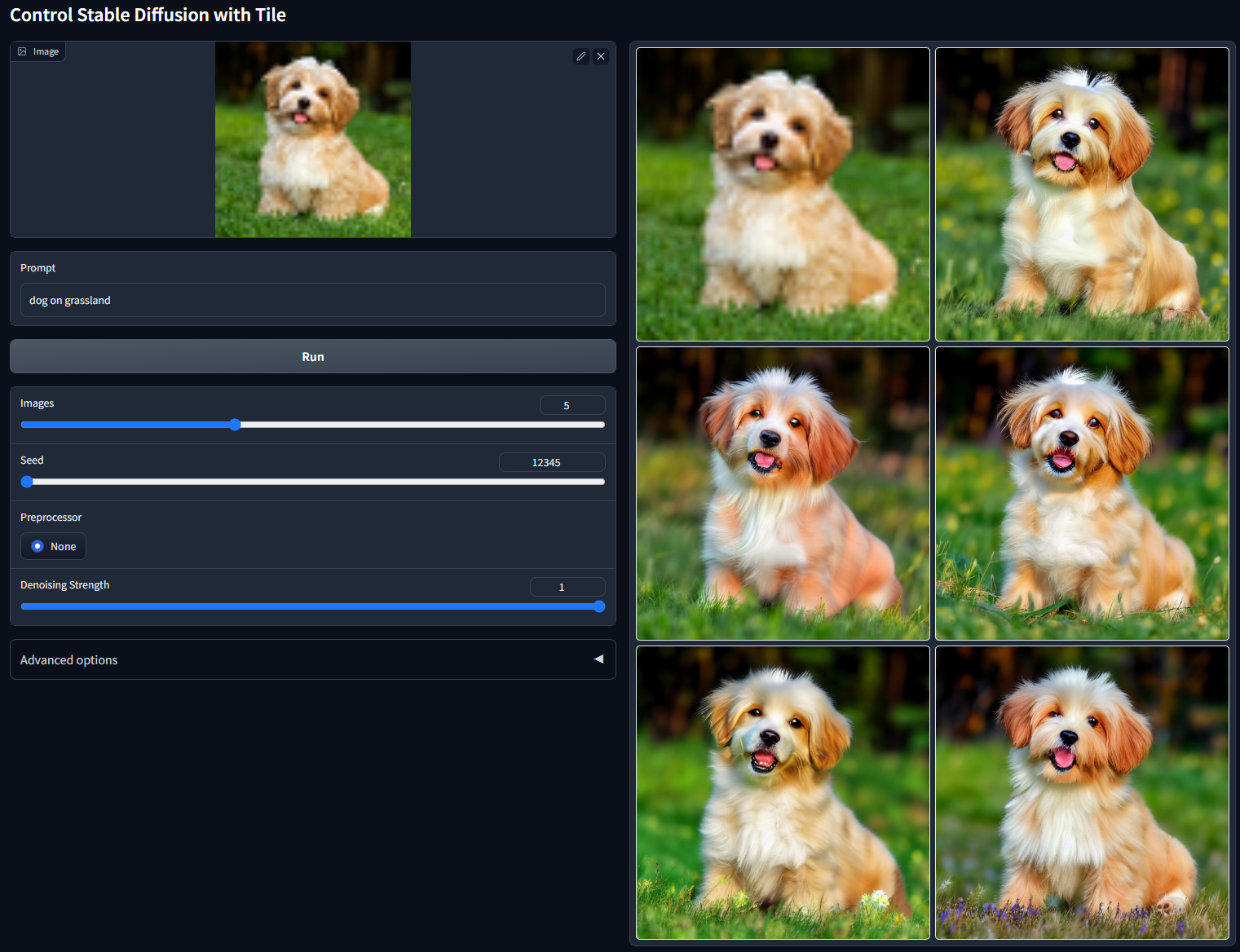
Figure 2. Demonstration of ControlNet Tile performing 8× super resolution on a low-resolution dog image, prompted with 'dog on grassland'.
This ability extends to correcting corrupted images, such as those degraded by previous generative passes or image enhancement tools. The model can reconstruct plausible and photorealistic outputs even when the input lacks sufficient context for conventional super-resolution methods.
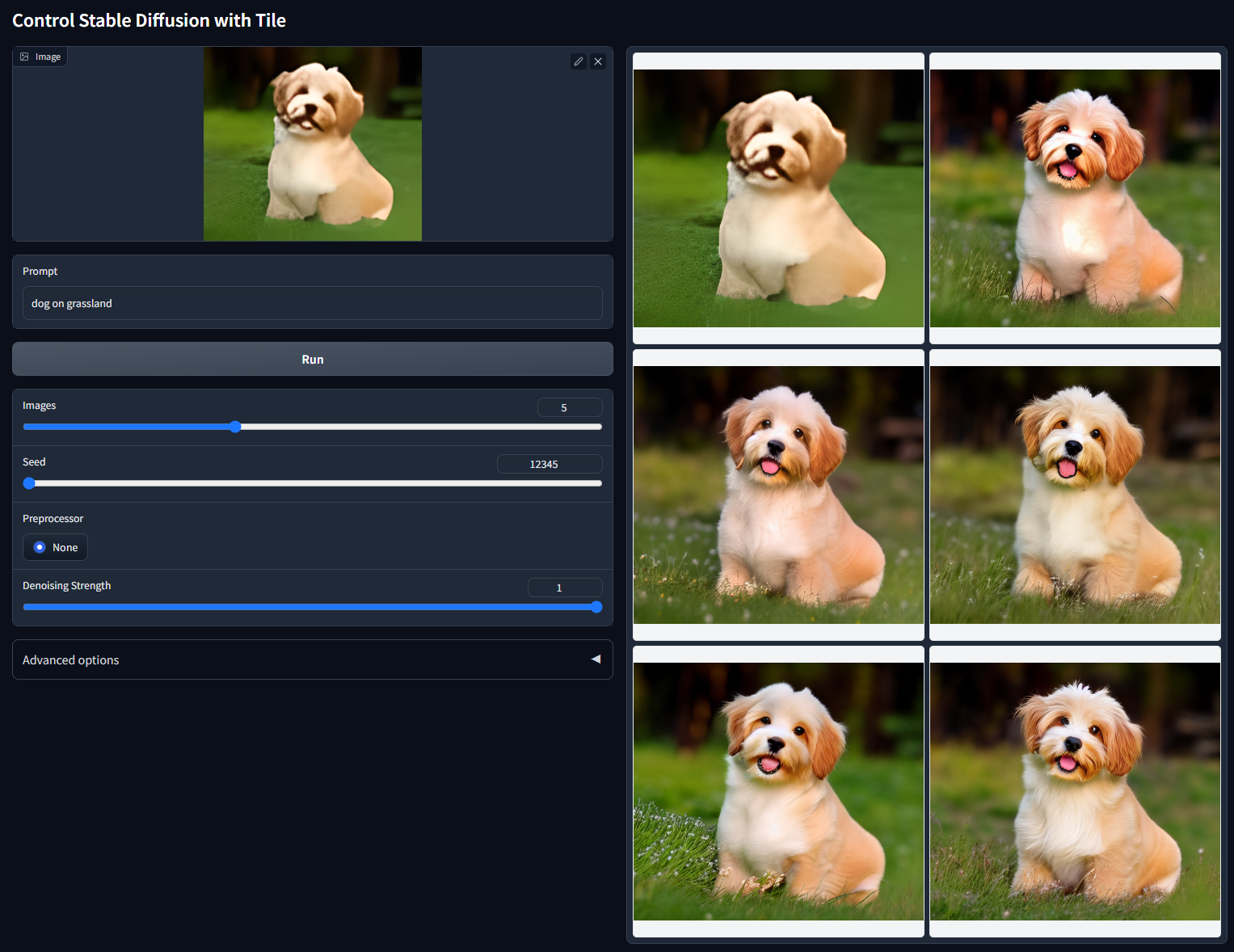
Figure 3. Batch test output showing how details in a corrupted dog image are fixed using ControlNet Tile with the prompt 'dog on grassland', denoising strength 1.0, and a random seed.
An additional feature is the model's localized prompt sensitivity, which ensures that the content generated within each tile is semantically appropriate. For instance, when a prompt refers to a "handsome man" but a tile contains the texture of palm leaves, the model refrains from placing face details in those regions, instead reproducing plausible leaf structures.
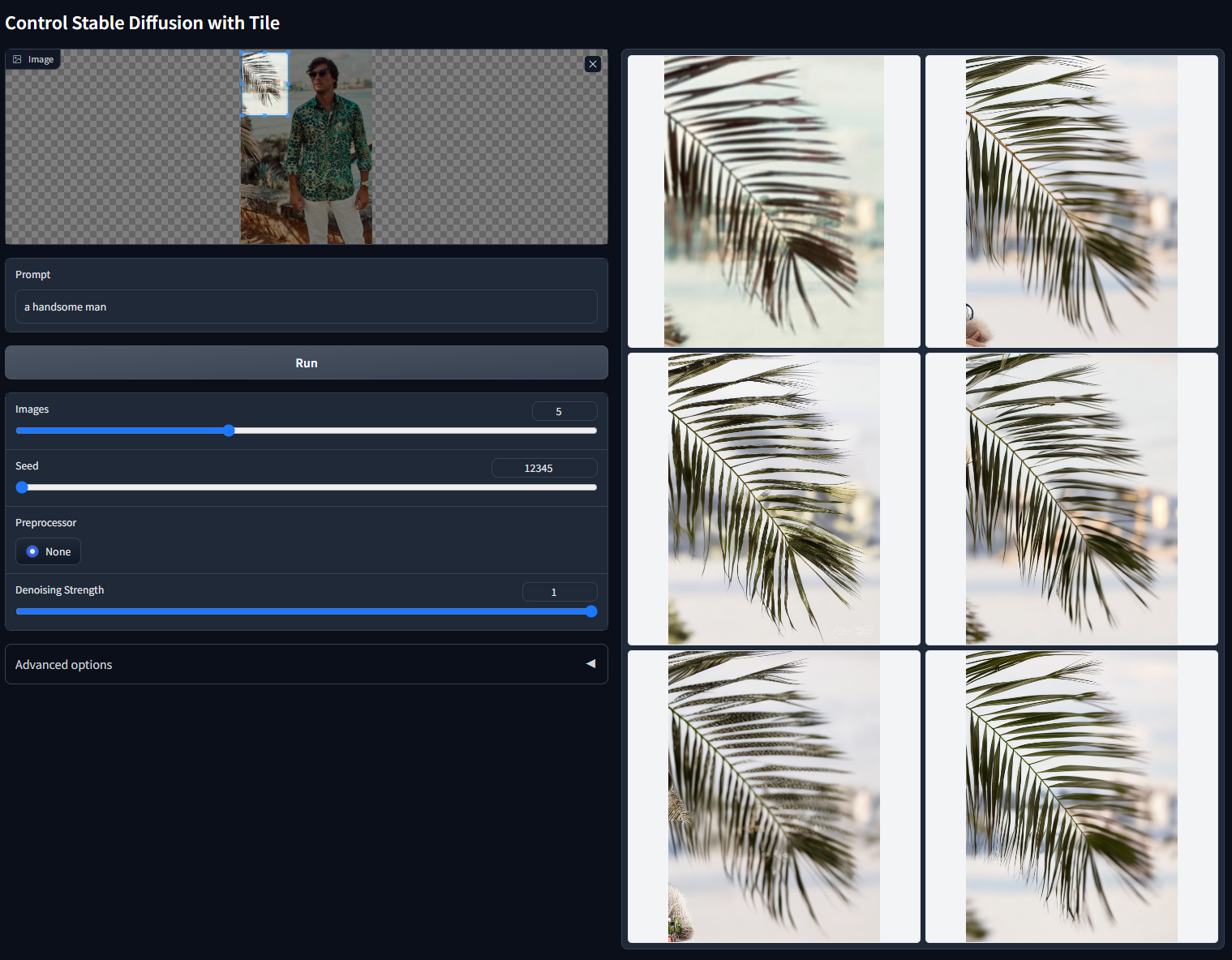
Figure 4. Generated outputs show that despite the global prompt 'a handsome man', the model preserves local semantics within tiles, generating palm fronds where expected.
Model Architecture and Implementation
The underlying architecture of ControlNet SD 1.5 Tile is based on the established structure of the original ControlNet 1.0 models, maintaining design continuity for consistent inference behavior across versions. Architectural updates in ControlNet 1.1 primarily address robustness and output quality, while preserving compatibility with the Stable Diffusion U-Net backbone.
Special attention is given to classifier-free guidance and local conditioning. Configuration details, such as the placement of global average pooling layers (e.g., for the Shuffle variant), are controlled through YAML parameters. This impacts how encoder outputs interact with the U-Net. For the Tile model, these settings optimize how diffusion influences each independently processed tile, ensuring only the conditional (not the unconditional) branch receives ControlNet input.
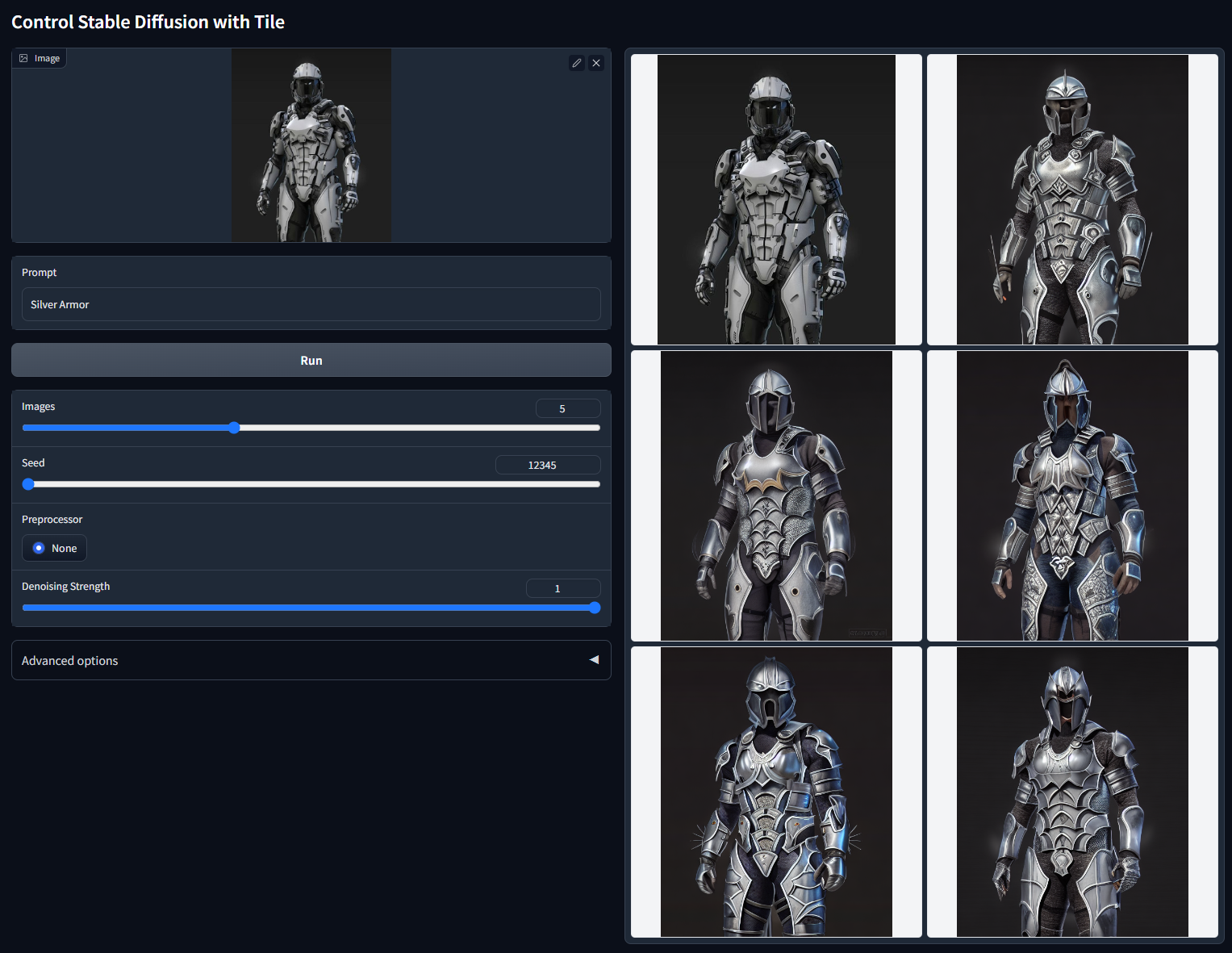
Figure 5. Example showcasing detail refinement and replacement. Input and five generated variants reflect the prompt 'Silver Armor' with denoising strength 1.0.
Training Procedures and Data Considerations
Although specific details regarding the datasets and augmentation methods for ControlNet SD 1.5 Tile are not exhaustively detailed in public documentation, ControlNet 1.1 models incorporate enhancements in training strategy relative to previous iterations. According to official release notes, systemic issues such as duplicated or low-quality samples, grayscale artifacts, and prompt-image mismatches present in ControlNet 1.0 were mitigated in the 1.1 update. The datasets include semantic and photorealistic diversity with augmented training through techniques such as random flips, contributing to improved generalization, especially for tasks involving region-specific synthesis and correction.
Applications and Output Quality
ControlNet SD 1.5 Tile is suitable for a variety of image processing tasks. Its primary application is in detail restoration and enhancement, such as upscaling small or degraded images where global super-resolution models like Real-ESRGAN may falter. The tile-based approach supports both broad scenic reconstructions and fine local corrections, with examples ranging from recovering photorealistic portraits from low-quality thumbnails to interpreting intricate environments.
The model can produce high-fidelity, high-resolution outputs at scale, maintaining both semantic integrity and local detail quality across complex subjects.
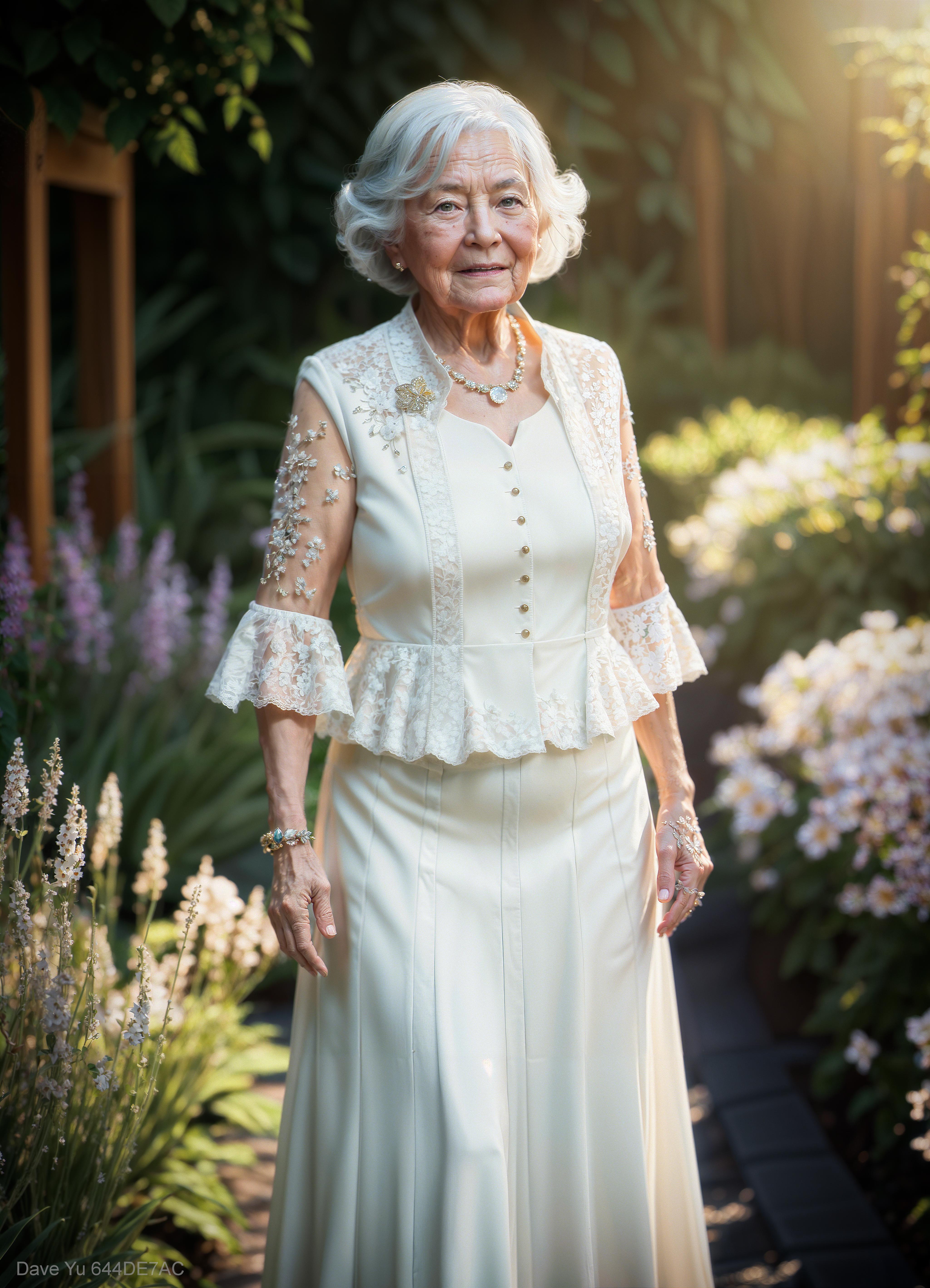
Figure 6. Output of tiled image upscaling: a high-resolution, photorealistic portrait of an elderly woman in a garden.
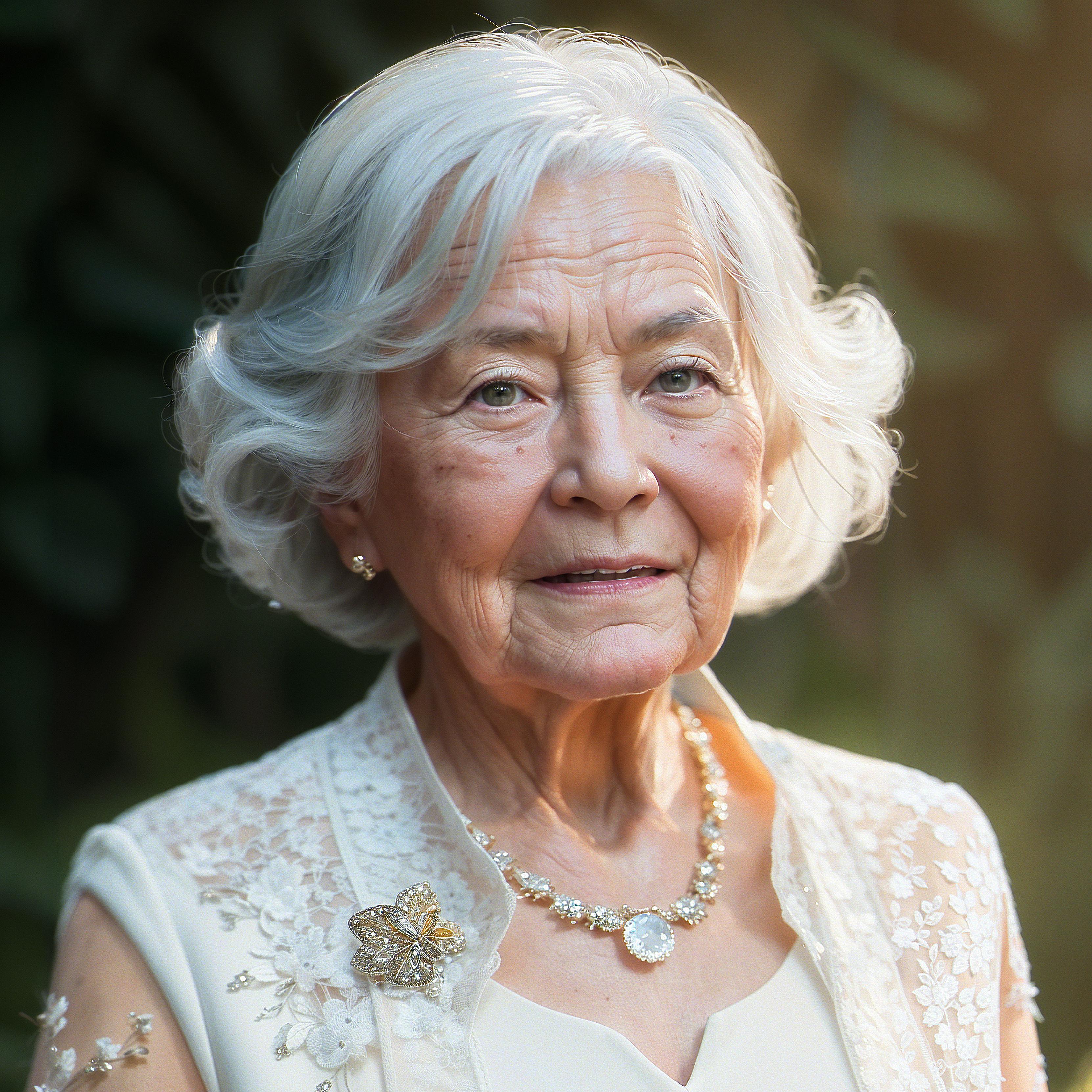
Figure 7. Zoomed-in output from tile-based upscaling, focusing on facial details and textures.
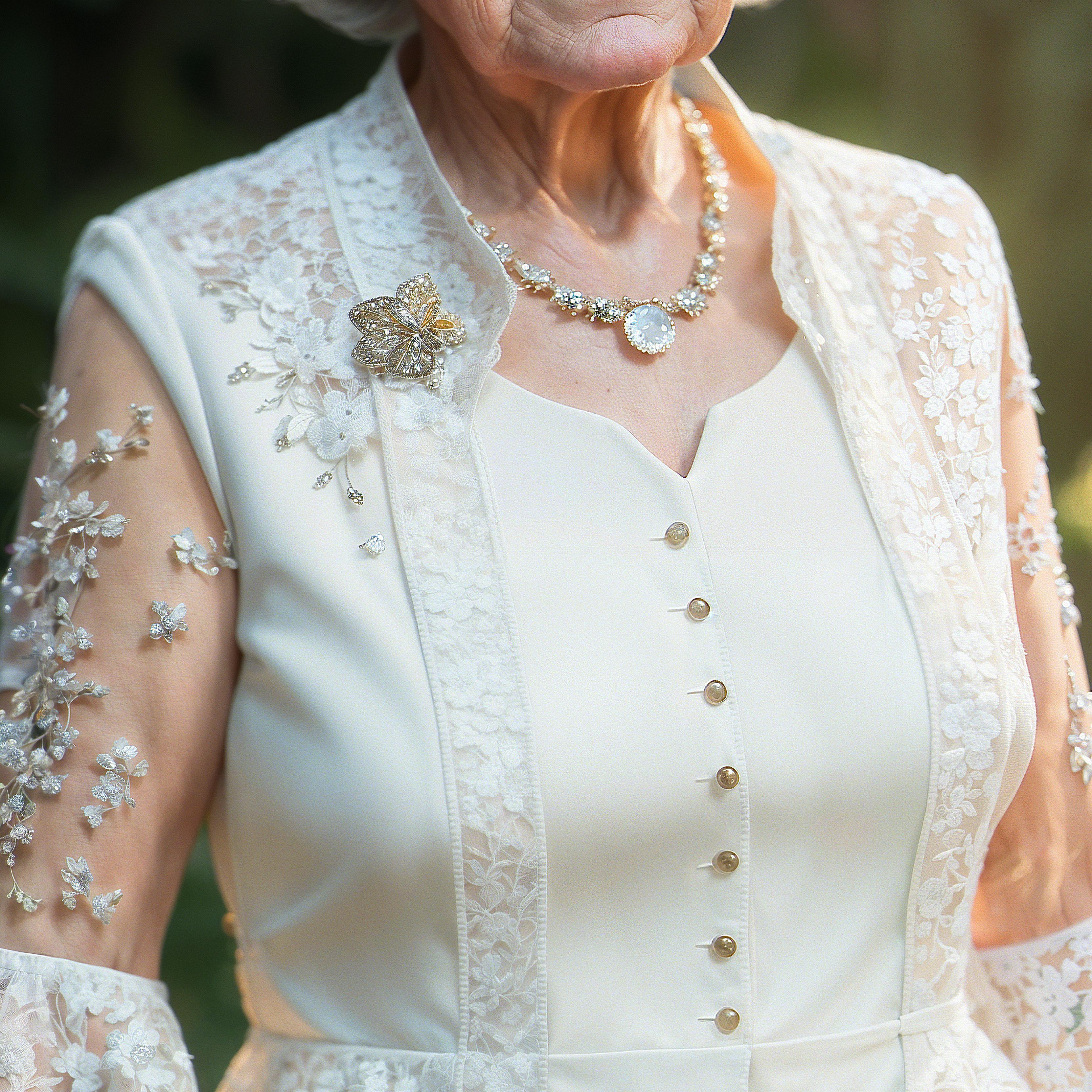
Figure 8. Close-up demonstrating the model's ability to render textile textures and jewelry details on photorealistic outputs.
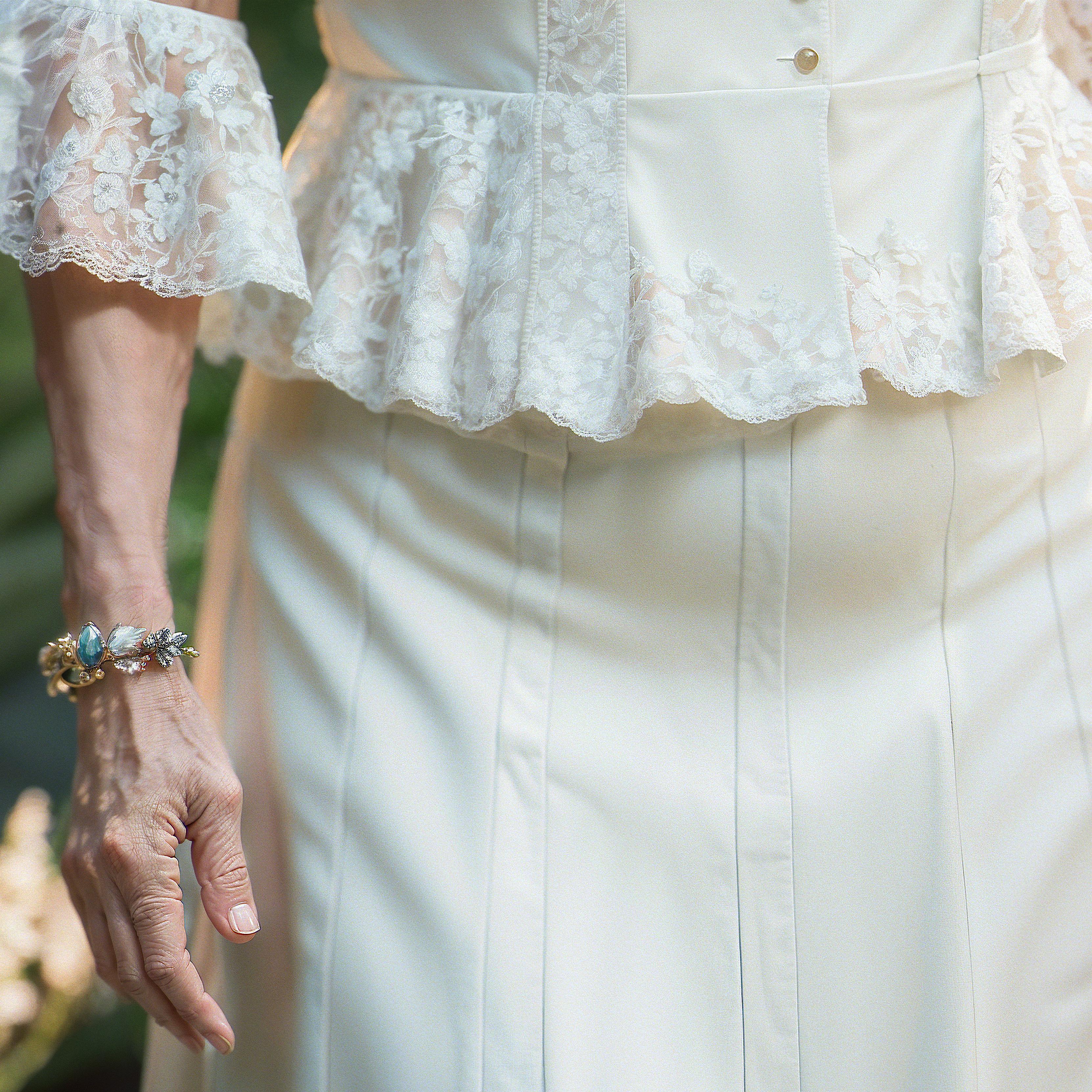
Figure 9. Fine arm and fabric detail from a zoomed tile of the full-resolution model output, highlighting textural fidelity.
Beyond human-centric outputs, the model demonstrates proficiency in interpreting and generating complex architectural or environmental scenes and synthesizing plausible reconstructions in scenarios with ambiguous or damaged input.
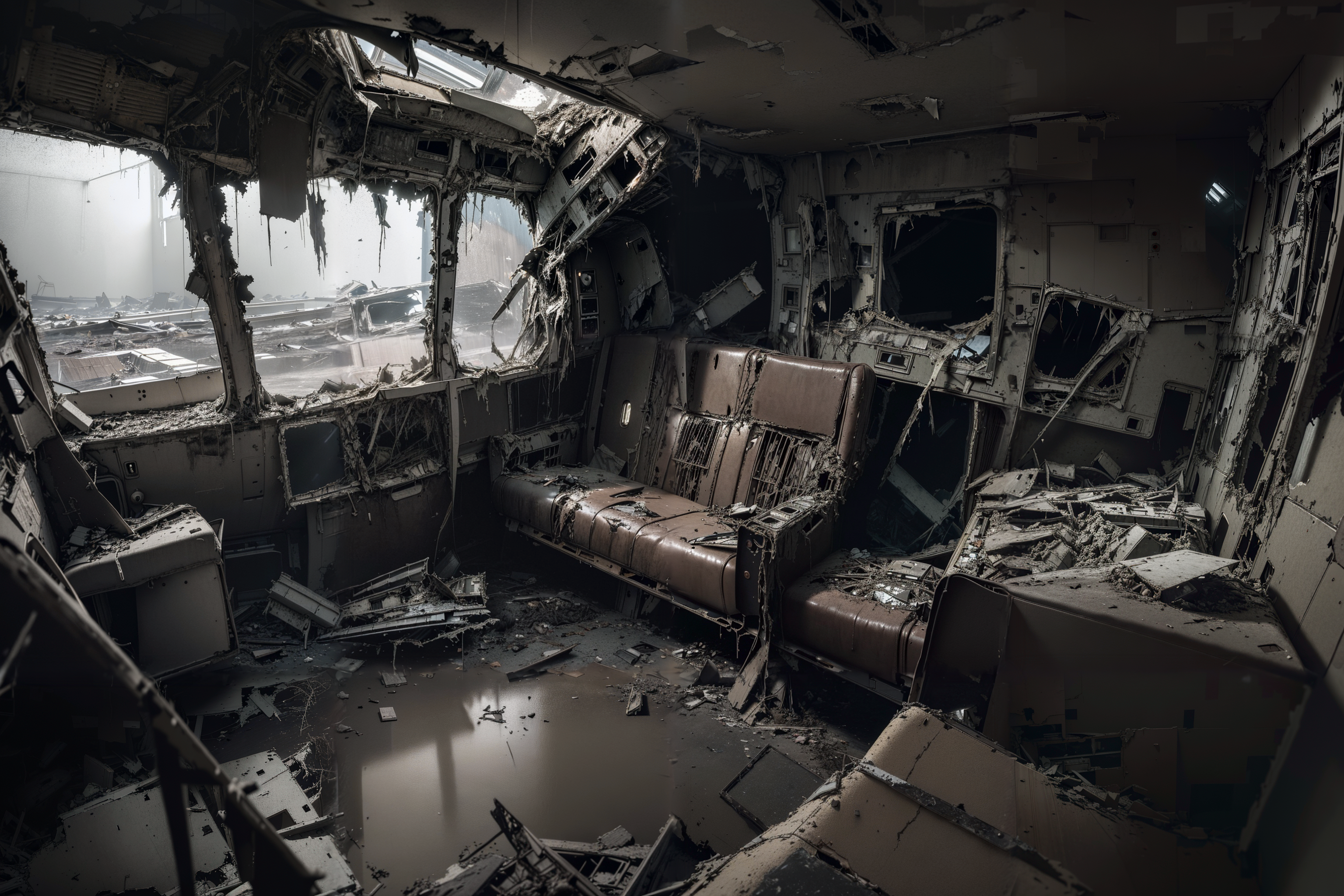
Figure 10. High-resolution tile-based reconstruction of a destroyed airplane cabin, demonstrating the model's capacity for realistic environmental details.
Model Release and Limitations
The finalized version of the model, titled control_v11f1e_sd15_tile, was publicly released on April 25, 2023. The naming convention reflects internal release staging, with "f1" indicating a first bug fix and "e" denoting its experimental nature. Earlier, incomplete variants have been discontinued. While the model is robust for a wide variety of image manipulation tasks, certain limitations are noted:
- The model is not expressly a super-resolution system, but rather one focused on regenerating and refining details in context.
- Some features, such as tiled upscaling, may not be directly supported in all demonstration interfaces and may require integration with specific software extensions.
- As an "experimental" release, some edge cases may remain suboptimal.
Comparisons and Related Architectures
ControlNet SD 1.5 Tile can be contrasted with several related technologies. While Stable Diffusion 1.5's image-to-image (I2I) features support high-level creative reinterpretation, the Tile model emphasizes structure-preservation across tiles even with maximal denoising. In comparison with Real-ESRGAN, which specializes in super-resolution, ControlNet Tile's tilewise generative intuition allows for plausible reconstructions even where source context is minimal.
Another development, Control-LoRA, integrates Low-Rank Parameter Efficient Fine Tuning (LoRA) to reduce the computational footprint of ControlNet models. However, this technique is distinct from and not incorporated into the ControlNet 1.1 Tile model lineage.
Helpful Links
- HuggingFace Model Page for ControlNet-v1-1: Access to official model files, including ControlNet SD 1.5 Tile.
- Stable Diffusion 1.5 Base Model: Base model required for ControlNet models.
- Official ControlNet GitHub Repository: Source code, release notes, and configuration references.
- Discussion on ControlNet Tile in Automatic1111: Community discussion, user results, and example configurations.
- HuggingFace Annotators: Annotator models complementing ControlNet workflows.
- ControlNet Automatic1111 WebUI Extension: User interface for multi-ControlNet workflows and tiled upscaling support within Automatic1111.
- ComfyUI: Advanced workflow UI supporting Control-LoRA and ControlNet models.
- Stability-AI ComfyUI Nodes: Custom nodes for extended functionality in ComfyUI environments.
More in the Stable Diffusion 1 Family
Stable Diffusion 1.1
Stable Diffusion 1.5
OpenJourney v4
Photon
Juggernaut
Analog Diffusion
Dreamshaper
Realistic Vision
Meina Mix
epiCRealism
Absolute Reality
Cyber Realistic
MajicMIX Realistic
epiCPhotoGasm
ControlNet SD 1.5 Canny
ControlNet SD 1.5 IP2P
ControlNet SD 1.5 Depth
ControlNet SD 1.5 MLSD
ControlNet SD 1.5 Normal
ControlNet SD 1.5 Open Pose
ControlNet SD 1.5 Scribble
ControlNet SD 1.5 Segmentation
ControlNet SD 1.5 Soft Edge
ControlNet SD 1.5 Inpaint
ControlNet SD 1.5 Line Art
ControlNet SD 1.5 Lineart Anime
ControlNet SD 1.5 Shuffle
ControlNet 1.5 IP Adapter
ControlNet 1.5 QR Code
Compatible Apps
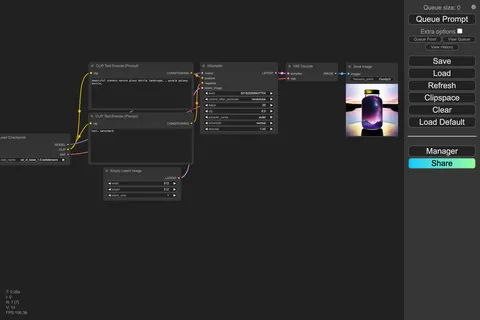
ComfyUI
A node-based workflow builder for advanced image and video generation, ideal for custom pipelines, fine control, and power users.
Web UI · API
Image Generation · Video Generation
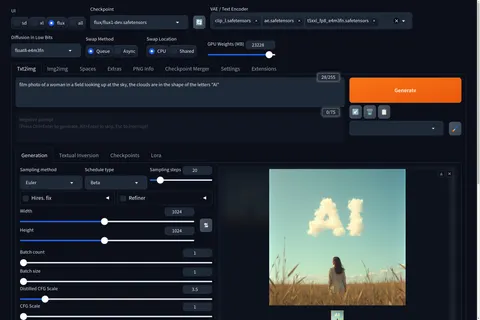
Stable Diffusion WebUI Forge
A faster, more experimental Stable Diffusion WebUI variant focused on improved resource use, quicker inference, and modern model support.
Web UI · API
Image Generation
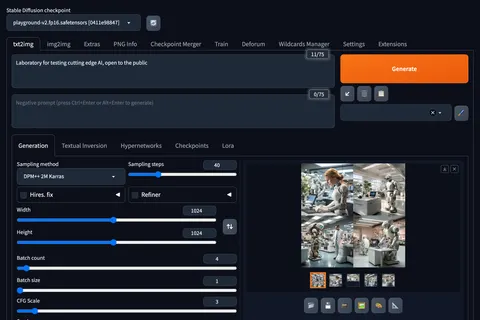
Stable Diffusion Web UI
A full-featured Stable Diffusion interface with deep controls for prompting, inpainting, extensions, and advanced image workflows.
Web UI · API
Image Generation · Video Generation
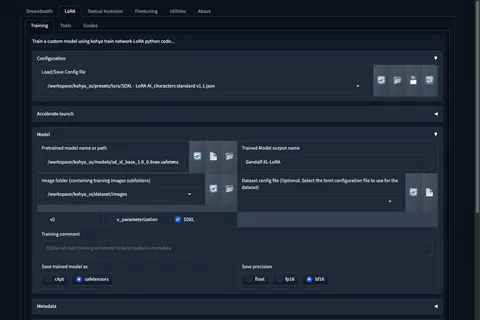
Kohya's GUI
Train LoRAs and fine-tunes for Stable Diffusion and FLUX with a popular GUI for Kohya-based training workflows.
Web UI · API
Fine-Tuning · Image Generation