lllyasviel
ControlNet SD 1.5 Scribble
Downloads
Model Report
Overview
ControlNet SD 1.5 Scribble is a generative artificial intelligence model within the ControlNet 1.1 suite, designed by lllyasviel to introduce precise control over image synthesis via scribble-based guides. By leveraging either synthesized or hand-drawn scribbles, the model enables users to specify the structural composition of images generated with Stable Diffusion 1.5. This approach facilitates a powerful interplay between user intention and machine creativity, allowing for a diverse range of practical applications and artistic explorations. ControlNet SD 1.5 Scribble builds upon the architectural foundations and functionality established in previous ControlNet releases, while incorporating improvements in robustness, preprocessing, and training methodologies.
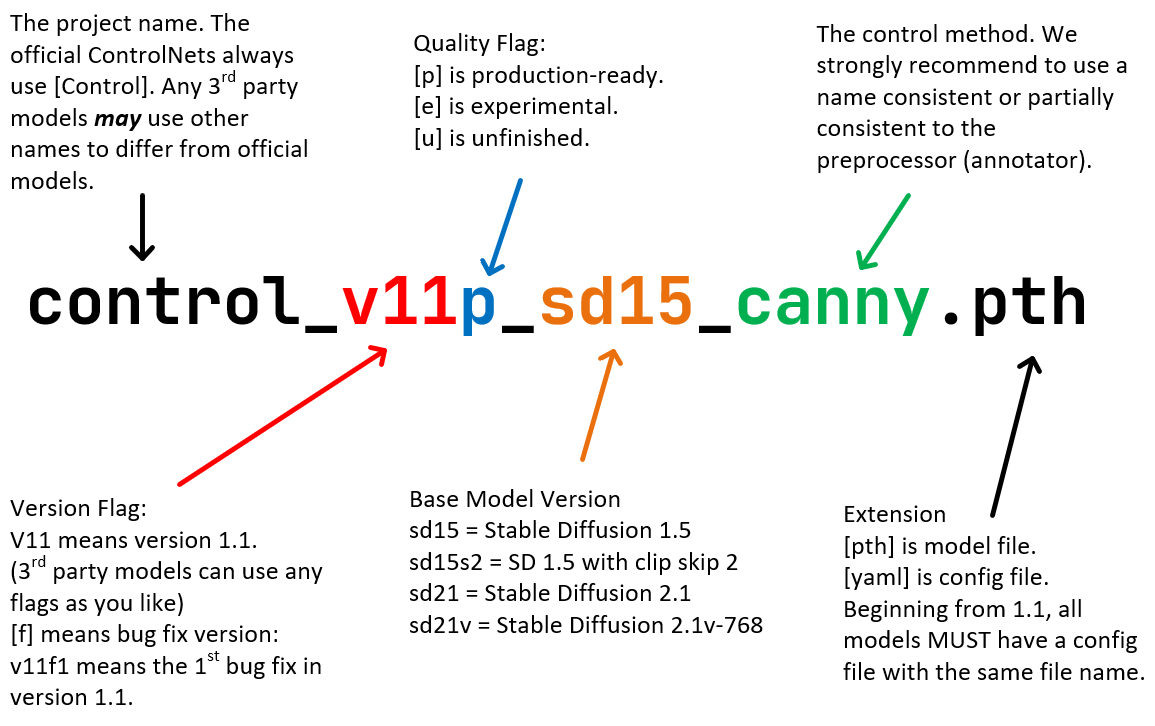
Figure 1. Diagram detailing the standardized naming conventions for ControlNet models in version 1.1, clarifying filename structures and control method taxonomy.
Technical Capabilities
ControlNet SD 1.5 Scribble is implemented as the control_v11p_sd15_scribble.pth model, which operates in conjunction with configuration files such as control_v11p_sd15_scribble.yaml. The model accepts as input both synthesized scribbles—derived from automated preprocessors like Scribble_HED or Scribble_PIDI—and freeform, interactive scribbles drawn directly by users. A defining feature of this release is its enhanced adaptability to scribbles of varying thickness, with robust performance even when input lines reach up to 24 pixels wide on standard 512 x 512 canvases. This was achieved by incorporating aggressive, randomized morphological transformations into the training process, extending the model’s applicability and ease of use.
The model’s control mechanism interprets the spatial constraints implied by the input scribbles, seamlessly integrating them with user prompts to direct Stable Diffusion’s output. These capabilities are demonstrated in both automated batch settings and interactive interfaces, reflecting its flexibility in facilitating structured, semantically relevant image generation.
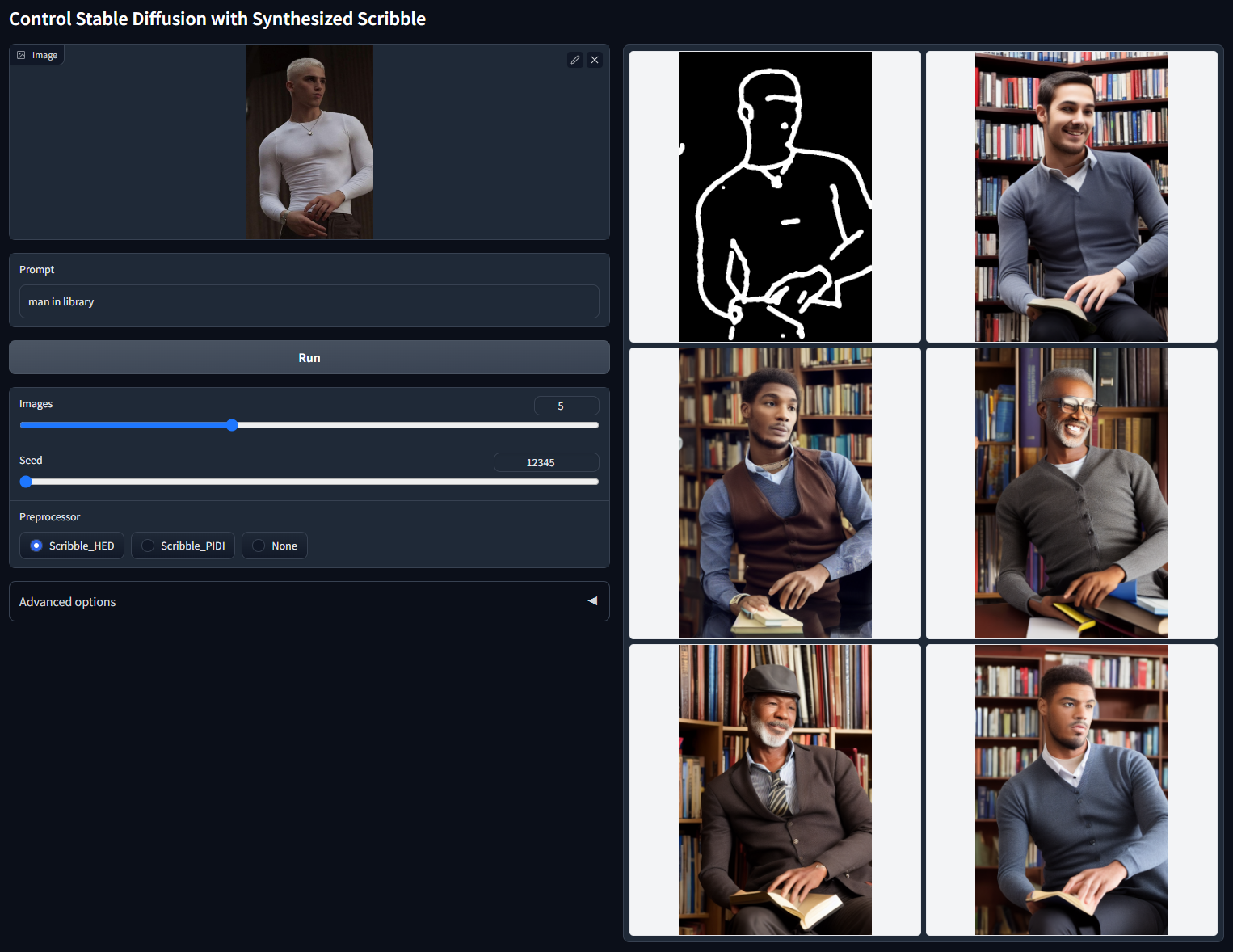
Figure 2. Model output for the prompt 'man in library' using synthesized scribble input, showing generated images conditioned on the structure of the supplied scribble.
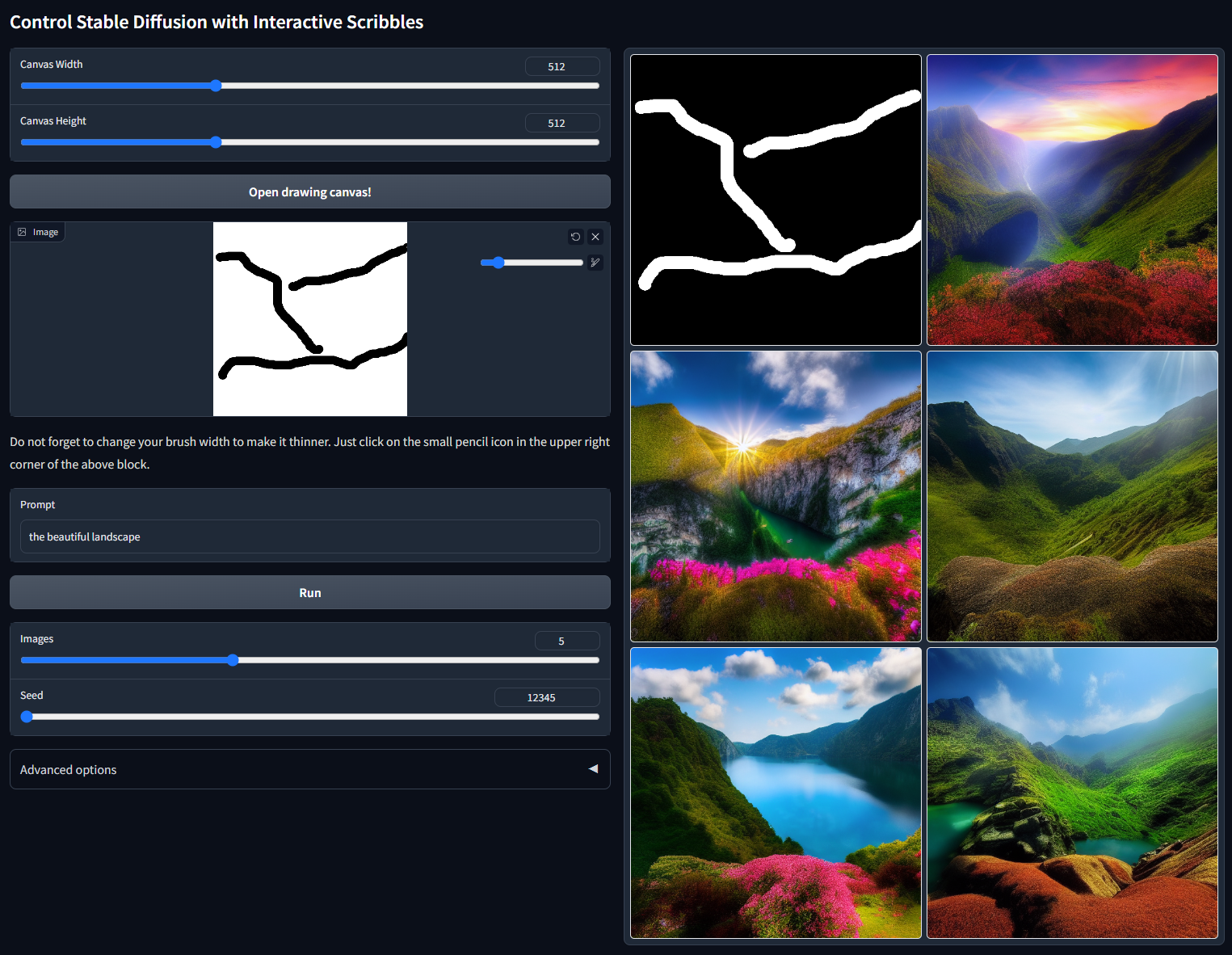
Figure 3. Generated images for the prompt 'the beautiful landscape' from thick hand-drawn scribble input, illustrating the model’s flexibility with interactive user guidance.
Model Architecture and Training
All ControlNet 1.1 models, including the Scribble variant, utilize the same neural network architecture as ControlNet 1.0, ensuring stability and compatibility throughout the series. These models are engineered to operate alongside the Stable Diffusion 1.5 framework, requiring the base model checkpoint and corresponding annotated control inputs. The architectural consistency allows for model interoperability and facilitates the combination of multiple control mechanisms within a single workflow, as described in the project design documentation.
The Scribble model was trained primarily on synthesized scribble datasets, augmented by extensive data cleaning and quality assurance. The training corpus was refined to mitigate prior issues such as duplicated or blurry images, improper prompt pairings, and low-resolution samples. During continued training, aggressive data augmentations—including variable morphological transforms—ensured that the model would retain its interpretability of a wide spectrum of input scribble styles and thicknesses. The ControlNet SD 1.5 Scribble model was further fine-tuned from the base of its 1.0 predecessor, over at least 200 additional GPU hours, to consolidate improvements in output fidelity and robustness.
Applications and Use Cases
ControlNet SD 1.5 Scribble is principally employed to guide and constrain the creative output of Stable Diffusion using rough, abstract sketches. This design paradigm empowers users to rapidly prototype compositions, iterate on visual ideas, or impose specific structural constraints within generative workflows. Typical applications include: transforming quick concept sketches into coherent artwork, producing visual storyboards, generating design mockups, and experimenting with interactive, real-time image synthesis. The model demonstrates efficacy with both algorithmically generated scribbles and direct, freehand input from digital drawing interfaces.
Family of Models and Related Technologies
ControlNet 1.1 encompasses a suite of 14 models, of which 11 are designated production-ready and three are considered experimental. Each model is characterized by its unique control modality, including depth estimation, normal maps, edge detection (Canny and MLSD), semantic segmentation, human pose (OpenPose), line art extraction, and others. The model suite adheres to strict naming conventions for reproducibility and scientific clarity, as described in project documentation.
In addition to full ControlNet models, related advancements include Control-LoRAs—a set of low-rank adaptation methods introduced to reduce model size and resource consumption. This approach makes it feasible to deploy controlled image synthesis workflows on a broader range of consumer hardware by compressing parameter footprints substantially, as noted in the Stability AI release notes.
Limitations and Development
While ControlNet SD 1.5 Scribble exhibits improved robustness and user flexibility, recommended usage patterns and integration strategies vary across different deployment platforms. Notably, the ControlNet 1.1 repository is not intended as a direct extension for third-party interfaces such as A1111; platform-specific guidance can be found in the Mikubill/sd-webui-controlnet documentation. The ongoing development and refinement of the project are reflected in its "nightly release" status, with regular updates and iterative improvements across its constituent models.
External Resources
More in the Stable Diffusion 1 Family
Stable Diffusion 1.1
Stable Diffusion 1.5
OpenJourney v4
Photon
Juggernaut
Analog Diffusion
Dreamshaper
Realistic Vision
Meina Mix
epiCRealism
Absolute Reality
Cyber Realistic
MajicMIX Realistic
epiCPhotoGasm
ControlNet SD 1.5 Canny
ControlNet SD 1.5 IP2P
ControlNet SD 1.5 Depth
ControlNet SD 1.5 MLSD
ControlNet SD 1.5 Normal
ControlNet SD 1.5 Open Pose
ControlNet SD 1.5 Segmentation
ControlNet SD 1.5 Soft Edge
ControlNet SD 1.5 Inpaint
ControlNet SD 1.5 Line Art
ControlNet SD 1.5 Lineart Anime
ControlNet SD 1.5 Shuffle
ControlNet SD 1.5 Tile
ControlNet 1.5 IP Adapter
ControlNet 1.5 QR Code
Compatible Apps
ComfyUI
A node-based workflow builder for advanced image and video generation, ideal for custom pipelines, fine control, and power users.
Web UI · API
Image Generation · Video Generation
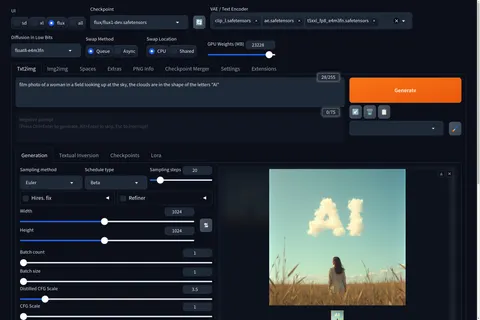
Stable Diffusion WebUI Forge
A faster, more experimental Stable Diffusion WebUI variant focused on improved resource use, quicker inference, and modern model support.
Web UI · API
Image Generation
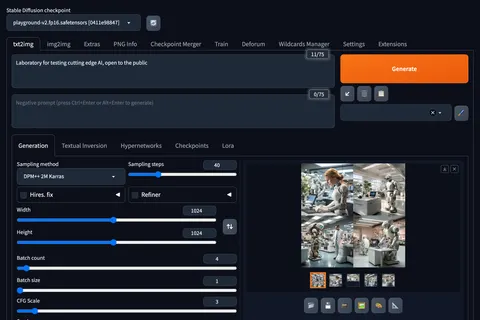
Stable Diffusion Web UI
A full-featured Stable Diffusion interface with deep controls for prompting, inpainting, extensions, and advanced image workflows.
Web UI · API
Image Generation · Video Generation
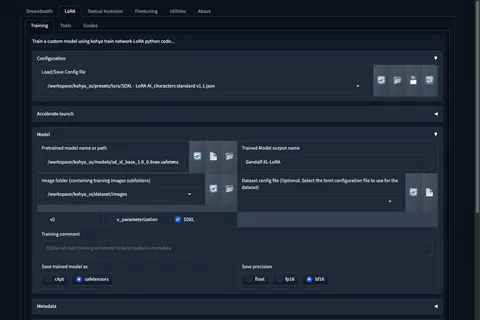
Kohya's GUI
Train LoRAs and fine-tunes for Stable Diffusion and FLUX with a popular GUI for Kohya-based training workflows.
Web UI · API
Fine-Tuning · Image Generation