KandooAI
Juggernaut XL
Released
2024-08-29
Family
Stable Diffusion XL
Type
Fine-Tuned Model
Downloads
Model Report
Overview
Juggernaut XL is a series of generative AI models for text-to-image synthesis, developed by KandooAI in collaboration with RunDiffusion. This family of models is known for its capabilities in producing photorealistic images, cinematic compositions, and high-quality character renderings across various styles. Juggernaut XL, including its notable versions Juggernaut XI, XII, and XIII ("Ragnarok"), is built upon the SDXL architecture and incorporates refined captioning, dataset curation, and fine-tuning processes to enhance prompt adherence and image fidelity. The series has undergone iterative improvements in visual detailing, particularly in rendering features such as faces, hands, and intricate compositions.
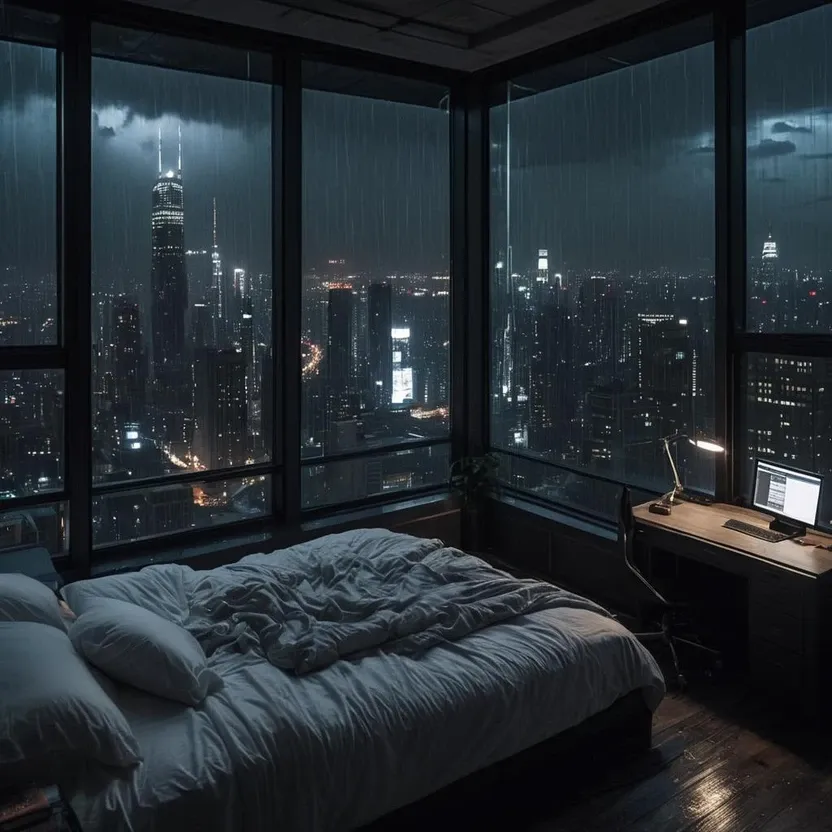
Figure 1. A detailed digital painting by Juggernaut XI, demonstrating realistic atmospheric scene generation.
Model Architecture and Training Process
Juggernaut XL models are based on the SDXL architecture, which serves as the foundation for high-resolution, detailed image synthesis. The development of each version involved iterative improvements in data preparation, captioning, and specialized fine-tuning. Juggernaut XI introduced a comprehensive image captioning pipeline utilizing the GPT-4 Vision Captioning tool developed by LEOSAM (HelloWorld), leading to accurate prompt adherence and semantic consistency in generated outputs. Each image in the training set was re-captioned using the latest version of GPT-4, refining text-image correspondence, which contributes to generation quality.
Juggernaut Ragnarok (v13) shifted focus back to absolute photorealism. It was fine-tuned using a curated photographic dataset, leveraging Booru tag-based recaptioning to standardize descriptive metadata. Additional training incorporated diverse sets for content diversity and realism. The final model blends multiple specialized checkpoints at carefully controlled ratios to maintain both authenticity and visual consistency. Over 200 hours of GPU training were invested in Juggernaut XI, leveraging expanded and high-quality image data.
The inclusion of a built-in Variational AutoEncoder (VAE) streamlines the generation process and reduces the need for external configuration.
Key Features and Capabilities
Juggernaut XL is known for its accurate prompt adherence, delivering responsive outputs to both concise and descriptive prompts. The model produces images with notable aesthetic characteristics, accurate handling of features such as human hands, eyes, and full facial expressions, and consistent composition in both portrait and full-body imagery. Enhanced shot type classification enables interpretation of directives like "portrait," "midshot," or "full body," supporting use in character design and illustration tasks.
Performance improvements across versions include advances in generating clear, intelligible short text within images and an emphasis on photorealism, especially in versions XI and Ragnarok. The model supports diverse artistic styles, encompassing digital art, oil painting, cartoons, and photorealistic renderings. These qualities make Juggernaut XL suitable for a broad range of creative and illustrative applications.
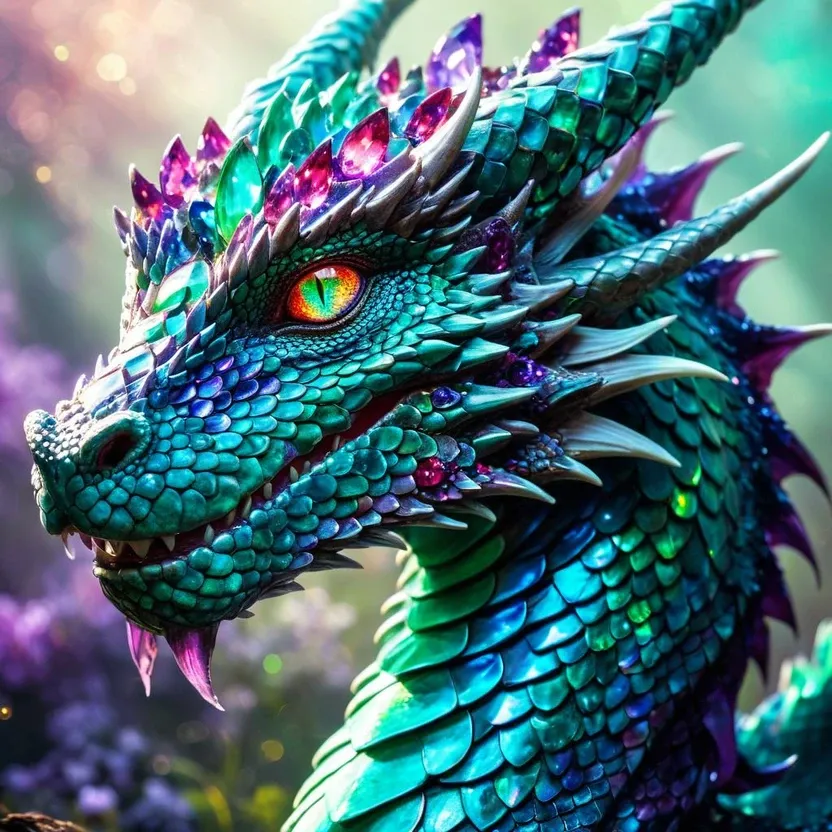
Figure 2. Digital painting output generated by Juggernaut XI, depicting a desert landscape with dramatic lighting.

Figure 3. Photo-realistic person generated by Juggernaut XL inpainting, illustrating the model’s control over lifelike features and style.
Juggernaut XL is also further characterized by its versatility:
- It produces output in varied genres, including but not limited to character art, fantasy creatures, animals, stylized digital paintings, and minimalist compositions.
- Its shot classification supports explicit compositional choices, and the model demonstrates the ability to generate both human portraits and intricate narrative scenes.
- The VAE is embedded within the model checkpoint, simplifying deployment.
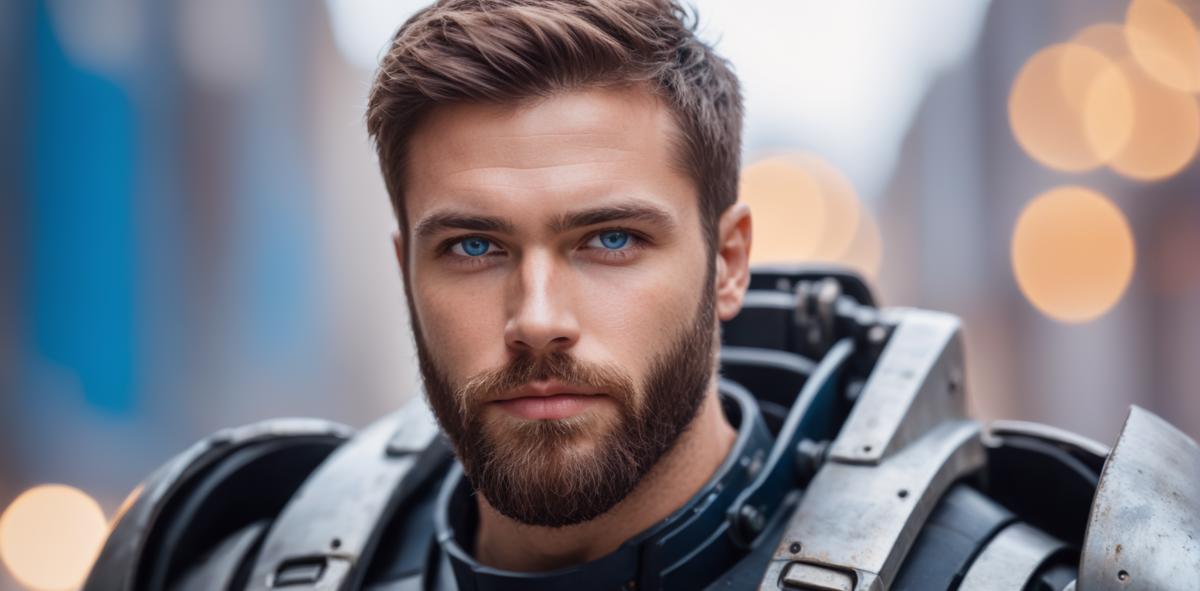
Figure 4. Cinematic character concept rendered by Juggernaut Cinematic XL LoRA, showing photorealistic detail and expressive structure.

Figure 5. Fantasy bird digital artwork produced by Juggernaut XI, demonstrating creative and vivid color synthesis.
Datasets and Training Techniques
The training process underlying Juggernaut XL prioritizes both dataset quality and annotation accuracy. For Juggernaut XI, the dataset was meticulously recaptioned using the GPT-4 Vision Captioning tool developed by LEOSAM (HelloWorld), enforcing text-image alignment and semantic rigor. The introduction of Booru tags in recaptioning facilitated uniformity in labeling, especially for complex and nuanced content. Further refinement was achieved by incorporating manual checks for improved image selection and dataset cleanliness, resulting in robust handling of prompt categories ranging from portraiture to environmental scenes.
Juggernaut Ragnarok extends these processes by introducing a new photographic dataset base, built by blending large-scale annotated imagery with specialized subsets, enhancing diversity and photorealistic fidelity. Progressive training and careful merging strategies helped to retain core visual quality across style domains.
Performance and Applications
Juggernaut XL and its variants have seen adoption in the text-to-image community. Statistics report over 18 million downloads and more than one million generated images for Juggernaut XL on Civitai. Juggernaut XI demonstrates usage within creative pipelines and character design workflows.
Applications for Juggernaut XL range from general purpose image creation, character art development, and environmental illustration to specialized tasks like inpainting and storyboard composition. The model's prompt adherence and detail handling make it utilized in workflows that demand both interpretative flexibility and specific visual outcomes. It is also commonly used downstream in pipelines with other tools and models, such as Juggernaut Flux Pro, enabling compositional refinement and upscaling.
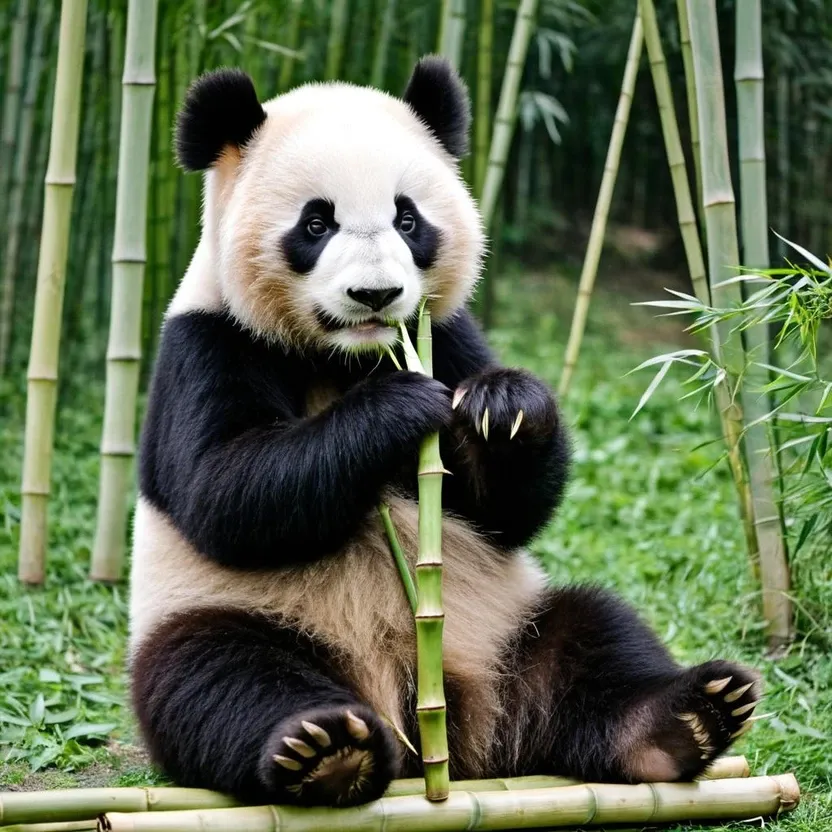
Figure 6. Photo-realistic panda generated by Juggernaut XI, exemplifying the model’s ability to synthesize naturalistic animal imagery.

Figure 7. Vibrant stylized painting of a sun produced by Juggernaut XI, showing versatility in non-photorealistic styles.
Model Family, Versions, and Related Models
The Juggernaut series includes several major and experimental variants, each reflecting evolving priorities in aesthetic, photorealism, and control over output style.
- Juggernaut XII prioritized artistic direction, providing creative flexibility and painterly styles.
- Juggernaut Ragnarok (XIII) focused on strict photorealism using Version XII as its foundation, while integrating additional datasets for stylistic breadth.
- Previous model lines, such as Juggernaut Flux and Juggernaut Cinematic XL LoRA, introduced modularity for specialized tasks like cinematic output or localized inpainting.
Related models in the family, such as Juggernaut XL Inpainting and Cinematic XL LoRA, offer tailored solutions for tasks including repair, refinement, and cinematic rendering. Each maintains compatibility with standard SDXL resolutions and sampling techniques, allowing integration with broader creative pipelines.
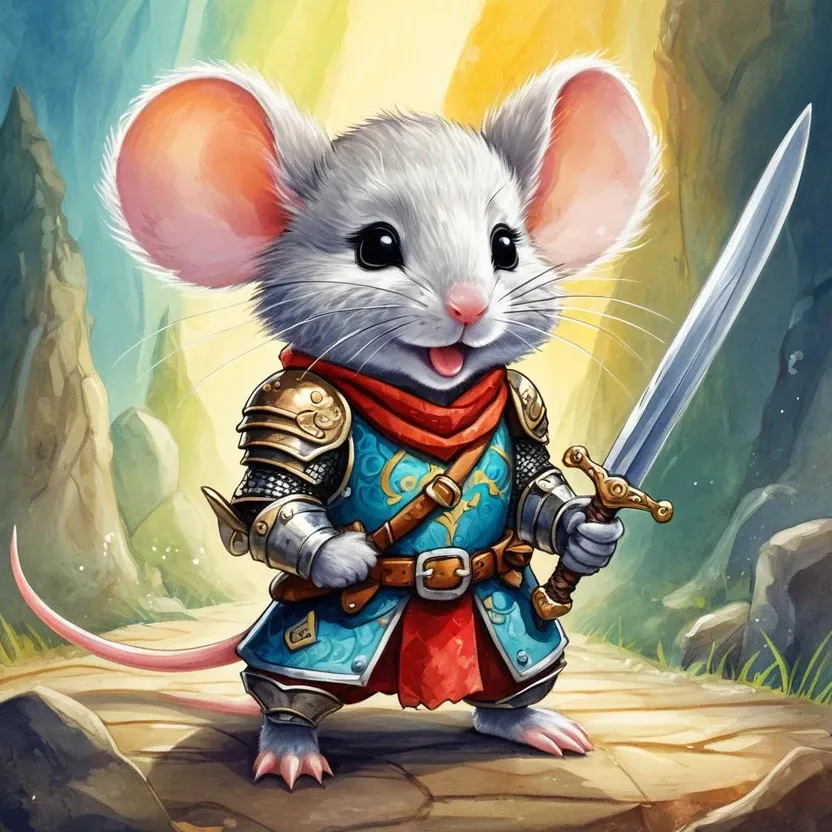
Figure 8. Juggernaut XI-generated illustration of a mouse knight, illustrating model proficiency with character-driven and narrative scenes.
Limitations, Licensing, and Community Use
Despite its capabilities, Juggernaut XL retains some limitations inherent in SDXL-based architectures. Users report occasional challenges in rendering fine text, faces in distant shots, or achieving complex inpainting. The model can be demanding on computational resources, occasionally leading to memory constraints. As an SDXL derivative, Juggernaut XL may not reach the granularity or multimodal integration pursued by some contemporary research models.
Juggernaut XL is released under the CreativeML Open RAIL++-M license, granting broad rights for modification, retraining, and commercial exploitation of outputs, subject to simple attribution requests. Commercial licensing or integration with competing platforms may require explicit permission from the developers. The model family is frequently used in both experimental research and professional creative pipelines, supported by active documentation and community guides.
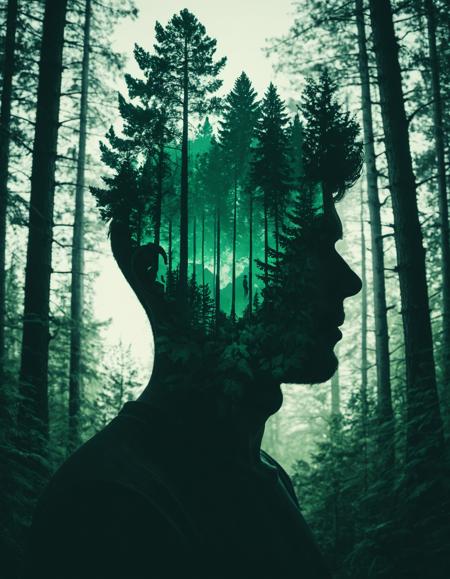
Figure 9. Stylized double exposure effect, demonstrating compositional flexibility of Juggernaut XL outputs.
Further Reading and External Resources
More in the Stable Diffusion XL Family
Stable Diffusion XL
SDXL Turbo
SDXL Lightning
OpenDalle
Yamer's Realistic
AlbedoBase XL
Realistic Vision XL
New Reality XL
Realism Engine SDXL
Animagine XL
Nightvision XL
Dreamshaper XL
Pony Diffusion V6 XL
ControlNet SDXL Diffusers Canny
ControlNet SDXL Canny
ControlNet SDXL Diffusers Depth
ControlNet SDXL Depth
ControlNet SDXL Recolor
ControlNet SDXL IP Adapter
ControlNet SDXL Open Pose
More from KandooAI
Compatible Apps
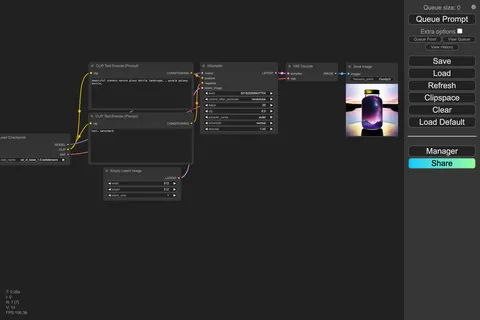
ComfyUI
A node-based workflow builder for advanced image and video generation, ideal for custom pipelines, fine control, and power users.
Web UI · API
Image Generation · Video Generation
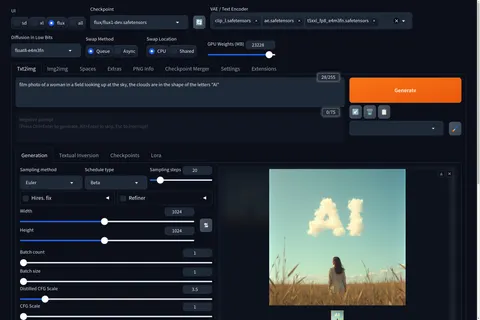
Stable Diffusion WebUI Forge
A faster, more experimental Stable Diffusion WebUI variant focused on improved resource use, quicker inference, and modern model support.
Web UI · API
Image Generation
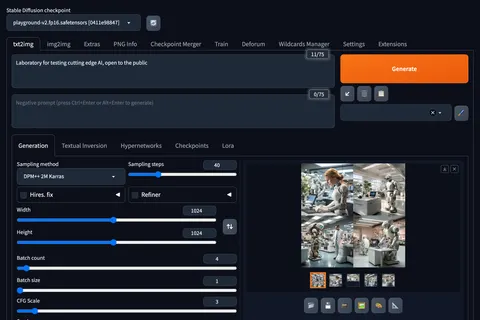
Stable Diffusion Web UI
A full-featured Stable Diffusion interface with deep controls for prompting, inpainting, extensions, and advanced image workflows.
Web UI · API
Image Generation · Video Generation
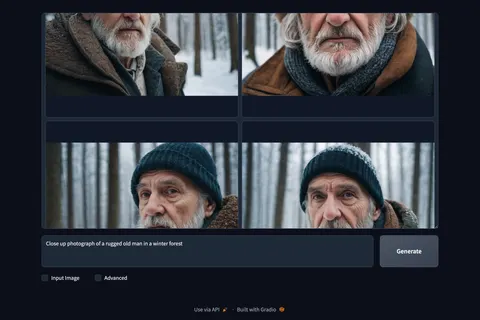
Fooocus
A beginner-friendly image generator focused on strong defaults, with built-in inpainting, outpainting, upscaling, and image prompting.
Web UI · API
Image Generation · Beginner Friendly
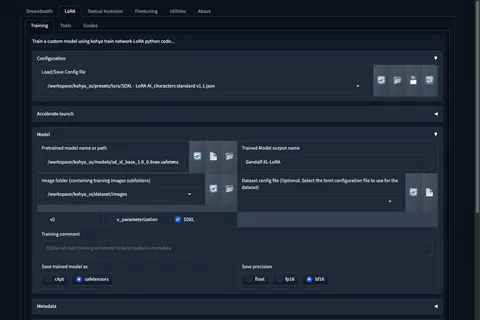
Kohya's GUI
Train LoRAs and fine-tunes for Stable Diffusion and FLUX with a popular GUI for Kohya-based training workflows.
Web UI · API
Fine-Tuning · Image Generation