dataautogpt3
OpenDalle
Released
2023-12-26
Family
Stable Diffusion XL
Type
Fine-Tuned Model
Downloads
Model Report
Overview
OpenDalle is a text-to-image generative artificial intelligence model developed by Alexander Izquierdo (DataVoid). Designed to translate natural language prompts into coherent and detailed images, OpenDalle emphasizes a high level of adherence to prompt semantics—often referred to as "prompt loyalty"—while integrating diverse styles and modes of artistic expression. The model’s primary release, OpenDalle v1.1, builds upon advancements in image synthesis, focusing on balancing semantic fidelity and creative visual output. OpenDalle is distributed for personal, non-commercial use, reflecting its orientation toward research, educational, and hobbyist communities.
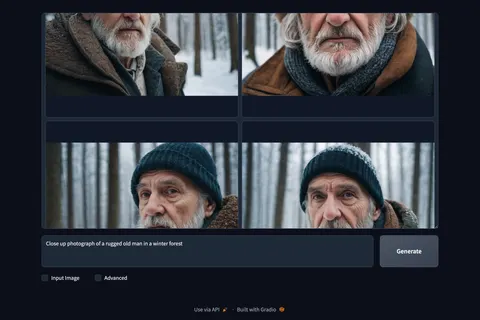
Figure 1
Model Capabilities and Core Features
OpenDalle v1.1 is characterized by its robust ability to render visually compelling images from a wide variety of textual prompts. The model’s core feature, prompt loyalty, is engineered to closely map the words and intentions of user prompts into the final image, thereby increasing semantic relevance and reducing instances of misinterpretation. This approach is intended to ensure that generated images are not only artistically sophisticated but also contextually consistent with the supplied text. According to the official Hugging Face model documentation and developer descriptions, OpenDalle excels in generating renderings that range from photorealistic portraits to stylized digital art, with a clear focus on faithful prompt representation.
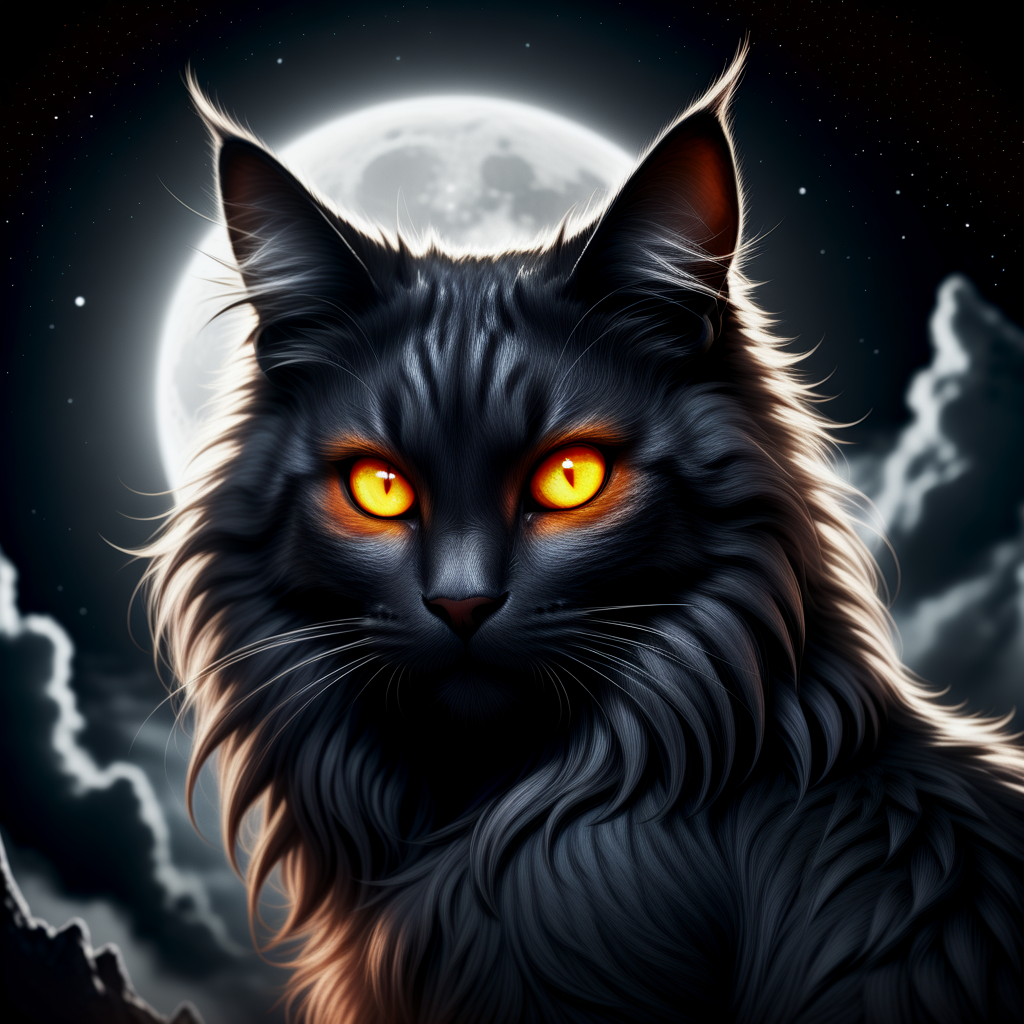
Figure 2. Image generated by OpenDalle v1.1 for the prompt: 'black fluffy gorgeous dangerous cat animal creature, large orange eyes, big fluffy ears, piercing gaze, full moon, dark ambiance, best quality, extremely detailed'.
OpenDalle generates outputs in a range of genres, including photorealism, anime, fantasy, and abstract art. It demonstrates the capacity to synthesize complex environments and characters, to render subtle details (such as facial expressions or fabric textures), and to adopt various lighting and composition styles. The model’s performance metrics benchmark it as competitive with other prominent text-to-image generators, such as Stable Diffusion XL (SDXL), with a reported emphasis on semantic accuracy over ultra-high visual fidelity. While some comparisons indicate that models like DALLE-3 may surpass it in certain aspects, OpenDalle v1.1 aims to bridge this gap through iterative improvements and novel training approaches, as noted in both user reviews and in direct model comparisons.
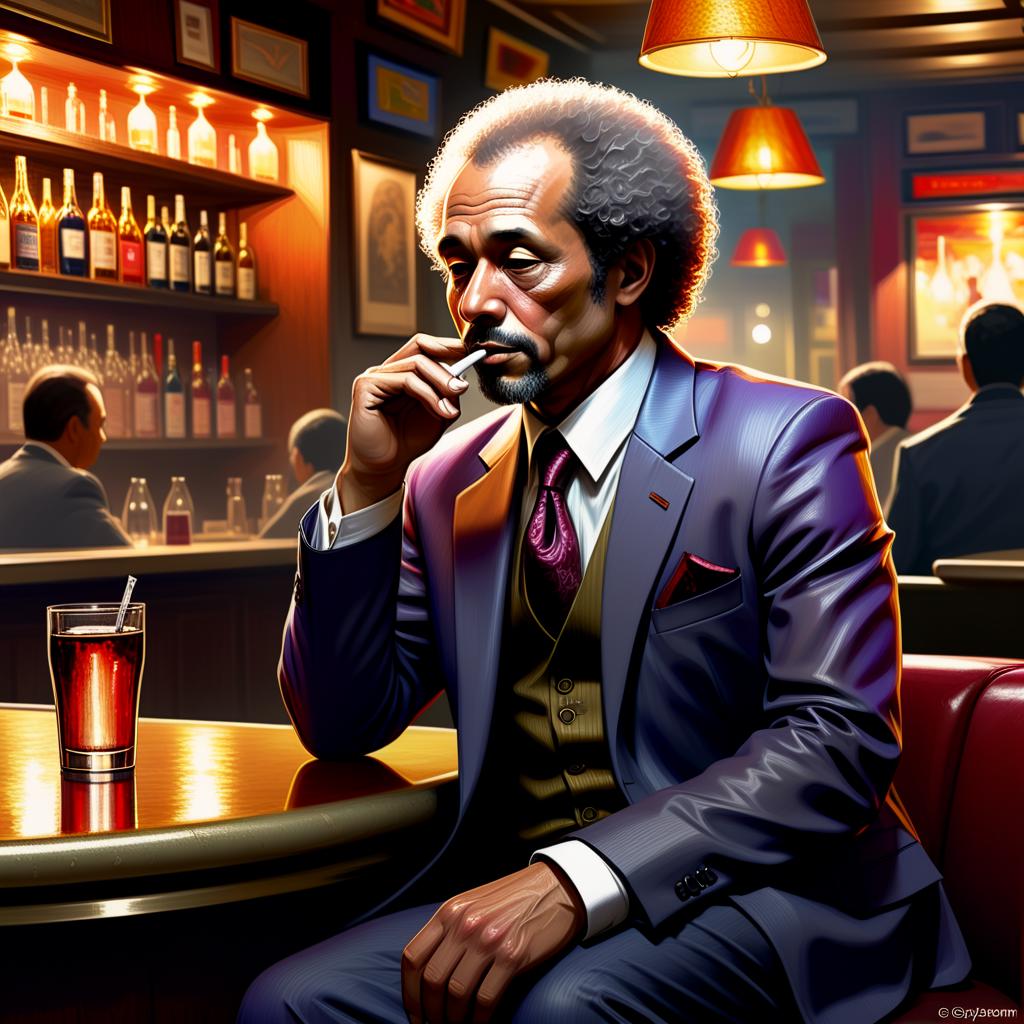
Figure 3. Photorealistic output from OpenDalle v1.1 demonstrating nuanced lighting and atmosphere in a scene of a man smoking at a bar.
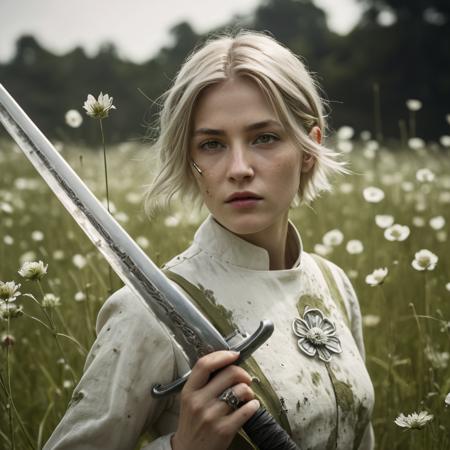
Figure 4. Sample portrait output highlighting the model’s rendering of human subjects and fantasy elements.
Architecture and Underlying Technology
OpenDalle v1.1 is engineered atop the SDXL model, a large diffusion-based image synthesis framework. Distinctively, OpenDalle incorporates a unique model merging methodology, integrating advances from several models such as Juggernaut7XL, ALBEDOXL, MEARGEHEAVEN, and DPOXLPLUS (Direct Preference Optimization model) from Hugging Face, as well as proprietary contributions by the developer. Details regarding the precise merging mechanics and proprietary dataset curation remain limited, but the fusion of techniques is designed to enhance both semantic fidelity and output diversity.
The process utilizes Direct Preference Optimization—a fine-tuning approach to align model outputs more closely with user-preferred results—further reinforcing prompt alignment. For an in-depth description of the merging and alignment strategies, see Civitai’s technical summary and Hugging Face’s model card.
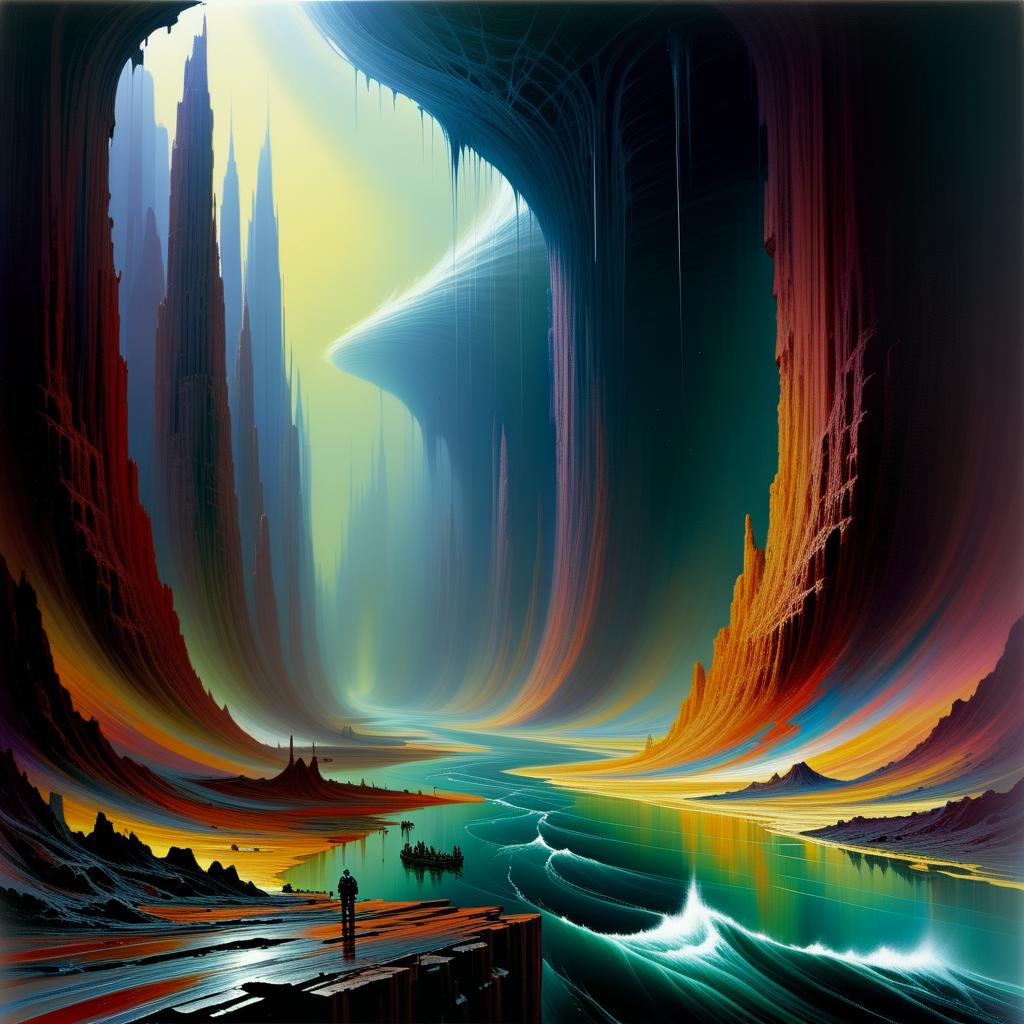
Figure 5. A fantastical canyon landscape generated by OpenDalle, illustrating the model's capabilities for detail and scale.
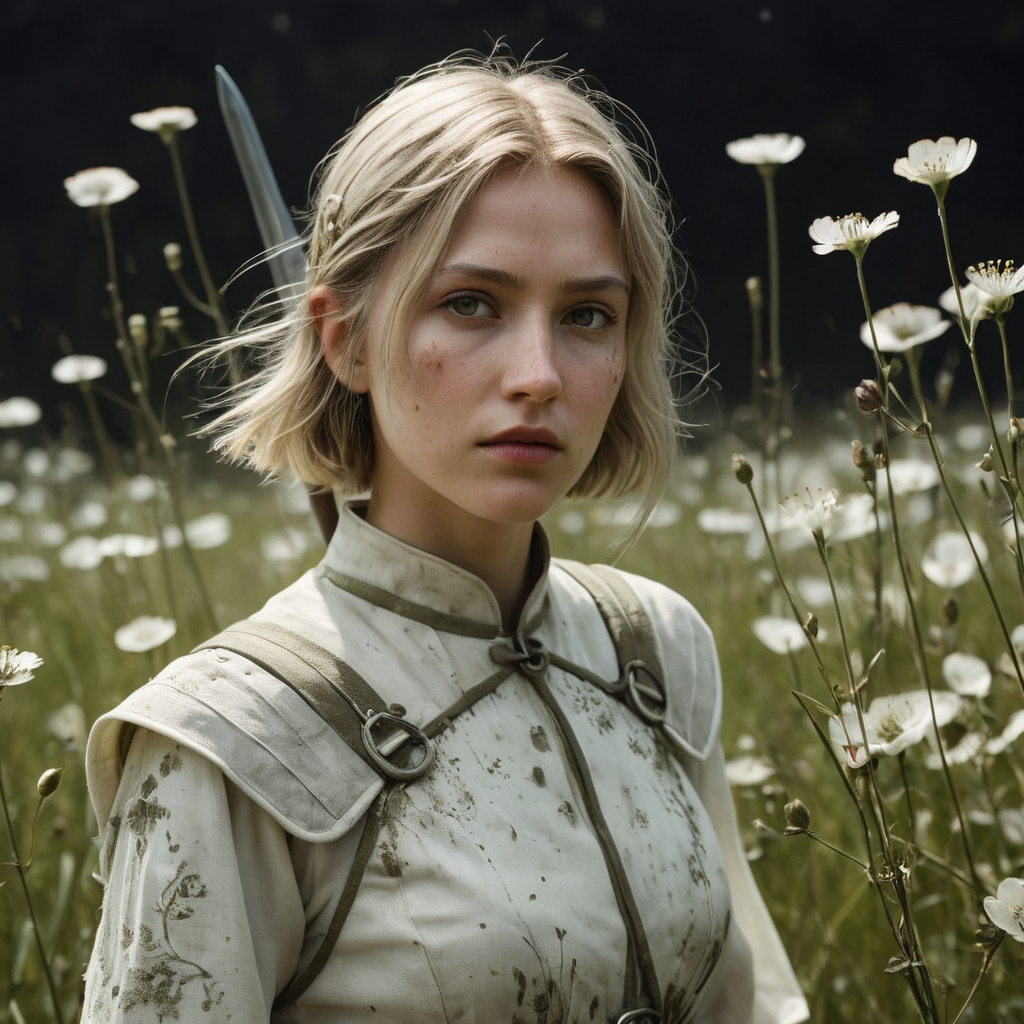
Figure 6. Detailed character portrait generated for a prompt describing a young woman in a fantasy setting with a sword.
Training Data and Methods
OpenDalle’s architecture is informed by a composite dataset approach, integrating training data from the SDXL foundation and supplemental sources accessible to the contributing model authors. Through the application of advanced model merging and preference optimization, OpenDalle is fine-tuned for nuanced interpretation of textual input. However, explicit public disclosure of proprietary training datasets, data curation protocols, or model weights—beyond those inherited from SDXL’s CreativeML Open RAIL++-M license—is not available at this time.
The use of merged networks and preference tuning is intended to capture a wider stylistic and thematic range, while maintaining strong alignment between text and image.

Figure 7. Anime-influenced portrait showcasing OpenDalle’s capacity for stylized character rendering.
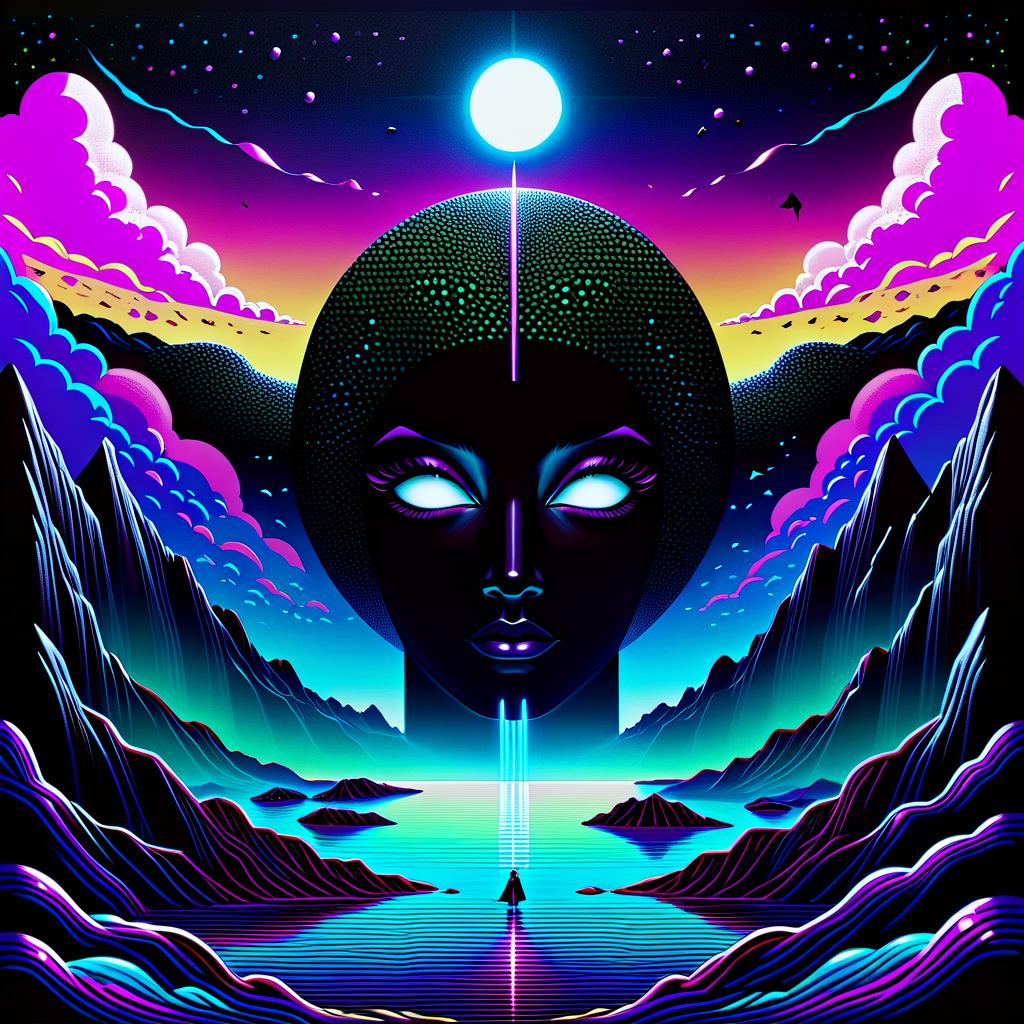
Figure 8. Mystical and psychedelic digital art generated by the model, highlighting color and theme diversity.
Applications, Use Cases, and Known Limitations
OpenDalle is designed to facilitate a variety of text-to-image synthesis applications, including creative concept art, digital illustration, and prototyping for educational or personal projects. Its ability to produce prompt-faithful imagery supports use cases where semantic precision and interpretability are critical. The model is applicable for generating illustrative content, designing visual assets, producing fantastical or realistic characters, and exploring artistic styles from anime to photorealism.
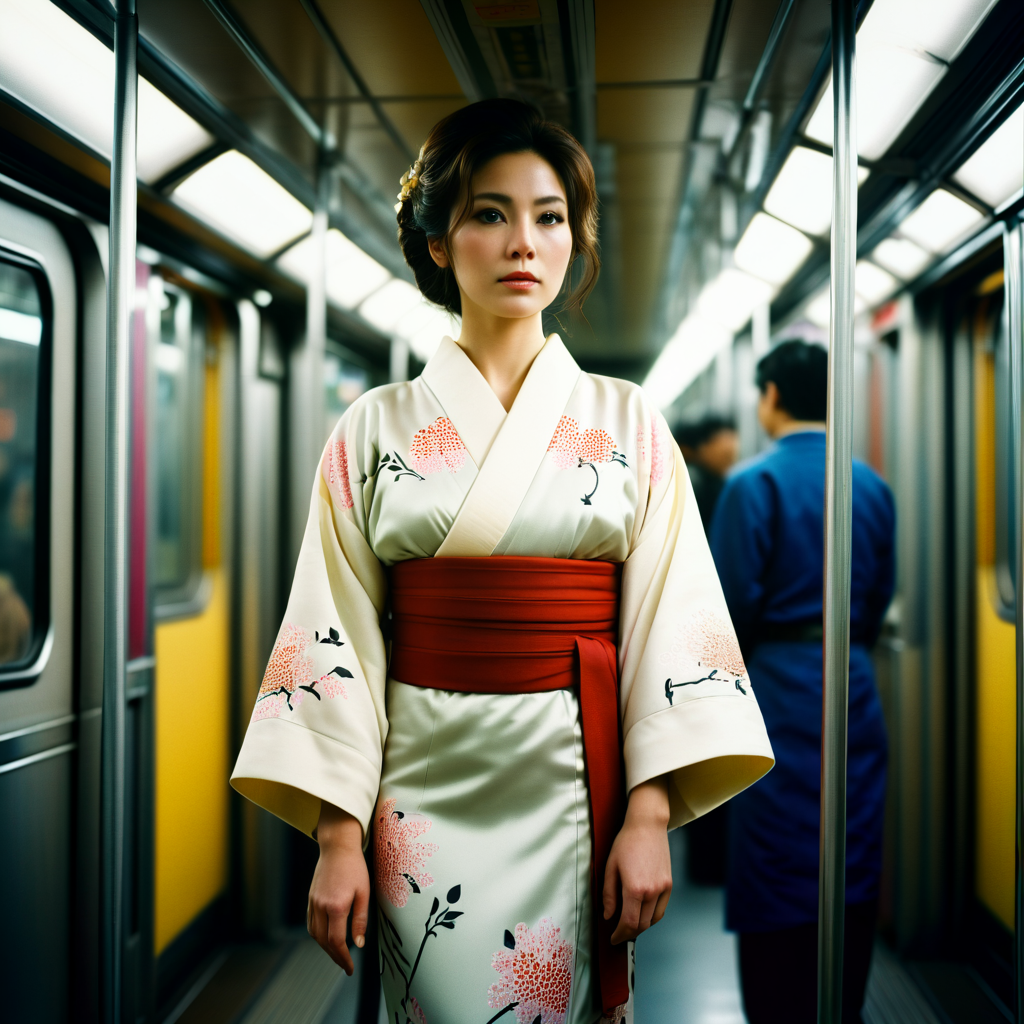
Figure 9. Cinematic photorealistic portrait generated by OpenDalle v1.1: a woman in a kimono on a train, illustrating nuanced lighting and texture.
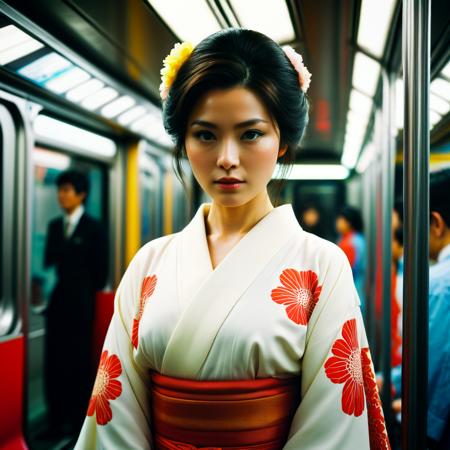
Figure 10. Photorealistic depiction of a woman in traditional attire within a contemporary environment.
While OpenDalle is reported to perform well across a breadth of prompts and artistic styles, some users have identified occasional generative errors, such as blank outputs under specific rendering conditions. The model prioritizes prompt comprehension and semantic adherence, which may result in a trade-off with maximum achievable photorealistic detail in some outputs. Further, as with many contemporary generative AI models, its alignment with highly specialized or ambiguous prompts can vary.
Version History, Licensing, and Lineage
The initial public release, OpenDalle v1.0, was published on December 26, 2023, with subsequent improvements culminating in the current v1.1 release, as described in the Civitai OpenDalle entry. The development lineage includes subsequent models, most notably ProteusV0.2, which the author references as a direct successor with further refinements (ProteusV0.2).
OpenDalle v1.1 is distributed under a Non-Commercial Personal Use License Agreement, as outlined in the official Hugging Face model card. This license permits modification, merging, and private research use, but expressly prohibits commercial activity, redistribution, or sublicensing. The model’s foundation on SDXL extends required usage of the CreativeML Open RAIL++-M license, with OpenDalle-specific restrictions layered atop.
Helpful Links and Additional Resources
- OpenDalle v1.1 on Hugging Face – Official model card and technical details
- OpenDalle on Civitai – Model usage guide and community discussion
- OpenDalle/ProteusV0.2 on Hugging Face – Successor model by the same creator
- Model comparison: DALL-E 3 vs OpenDalle v1.1 (YouTube) – Side-by-side visual analysis
- SDXL 1.0 Overview Video – Foundational model information
- CreativeML Open RAIL++-M License – SDXL 1.0 base license terms
- Civitai Resource Types: Models – Overview of model types and usage
- How to Use Fine-tuned Model Checkpoints (Civitai Wiki) – Model usage documentation
- DataVoid (Creator) on Twitter – Updates and community contact
- DataVoid Discord Community – Discussions and support
More in the Stable Diffusion XL Family
Stable Diffusion XL
SDXL Turbo
SDXL Lightning
Yamer's Realistic
AlbedoBase XL
Juggernaut XL
Realistic Vision XL
New Reality XL
Realism Engine SDXL
Animagine XL
Nightvision XL
Dreamshaper XL
Pony Diffusion V6 XL
ControlNet SDXL Diffusers Canny
ControlNet SDXL Canny
ControlNet SDXL Diffusers Depth
ControlNet SDXL Depth
ControlNet SDXL Recolor
ControlNet SDXL IP Adapter
ControlNet SDXL Open Pose
Compatible Apps
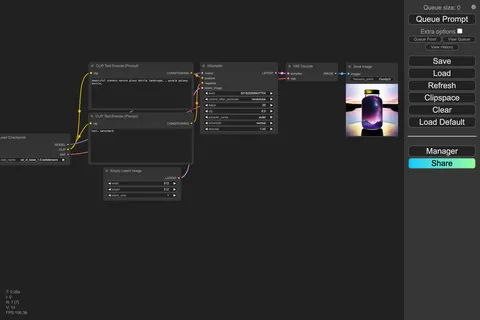
ComfyUI
A node-based workflow builder for advanced image and video generation, ideal for custom pipelines, fine control, and power users.
Web UI · API
Image Generation · Video Generation
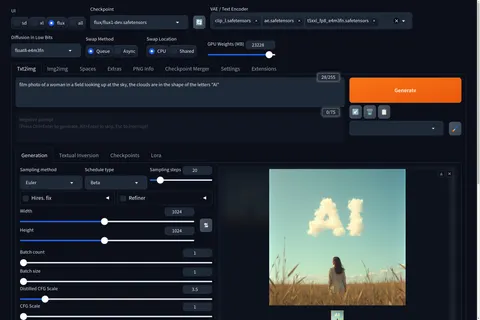
Stable Diffusion WebUI Forge
A faster, more experimental Stable Diffusion WebUI variant focused on improved resource use, quicker inference, and modern model support.
Web UI · API
Image Generation
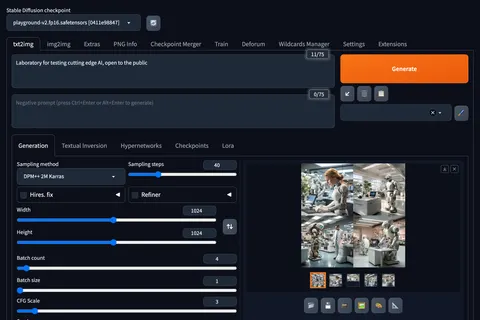
Stable Diffusion Web UI
A full-featured Stable Diffusion interface with deep controls for prompting, inpainting, extensions, and advanced image workflows.
Web UI · API
Image Generation · Video Generation
Fooocus
A beginner-friendly image generator focused on strong defaults, with built-in inpainting, outpainting, upscaling, and image prompting.
Web UI · API
Image Generation · Beginner Friendly

Kohya's GUI
Train LoRAs and fine-tunes for Stable Diffusion and FLUX with a popular GUI for Kohya-based training workflows.
Web UI · API
Fine-Tuning · Image Generation