PurpleSmartAI
Pony Diffusion V6 XL
Released
2024-01-07
Family
Stable Diffusion XL
Type
Fine-Tuned Model
Downloads
Model Report
Overview
Pony Diffusion V6 XL is a generative AI model designed to produce a wide spectrum of visual content, ranging from illustrations of anthropomorphic, feral, and humanoid species to detailed character portraits in various aesthetic styles. The model is a fine-tuned version of the Stable Diffusion XL architecture, specifically optimized for creative domains including cartoon, anime, and furry art. Developed with an emphasis on nuanced prompt understanding and versatile stylistic output, Pony Diffusion V6 XL is characterized by its ability to interpret both natural language descriptions and structured tag-based inputs, facilitating broad use in art generation and character design applications, as detailed on its model page.
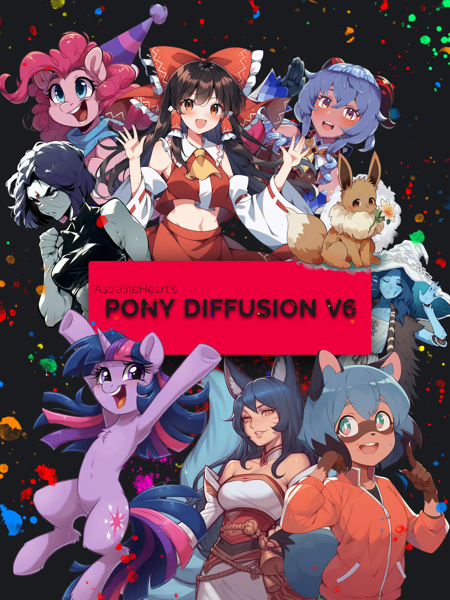
Figure 1. Example outputs generated by Pony Diffusion V6 XL, demonstrating its ability to render varied cartoon, anime, and animal characters.
Model Architecture and Capabilities
Pony Diffusion V6 XL utilizes the Stable Diffusion XL backbone, inheriting its latent diffusion architecture and enhanced image synthesis abilities, as described in its technical overview. The model is delivered as a SafeTensor checkpoint and recommended for use with its specialized Variational AutoEncoder (VAE), which is crucial for achieving the intended output quality.
The model supports natural language prompts as well as structured tag inputs, thanks to training that combined captioned and tagged datasets. This dual-mode input system enables precise control and expressivity for users, catering to highly specific prompts and broader creative directions alike. Additional prompt engineering features, such as an opinionated default prompt template and quality modifier tags (e.g., score_9, score_8_up), streamline the process of achieving high-quality results without the need for extensive negative prompts or common modifiers like "hd" or "masterpiece", as detailed in the score tag guide.
Pony Diffusion V6 XL exhibits character recognition abilities, with the capacity to generate a range of both well-known and lesser-known characters across various animated and illustrated styles. The model's data selection tag system (e.g., source_pony, source_furry, source_cartoon, source_anime) and rating tags enable targeted generation and control over content themes and content ratings.
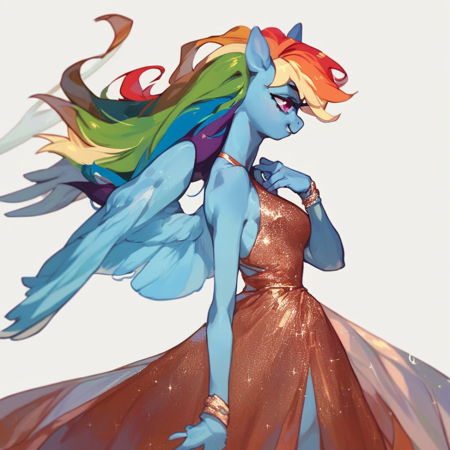
Figure 2. An example character illustration generated by the model showcasing anthropomorphic design and stylized rendering. Prompt: anthropomorphic pony in a formal, golden gown, reminiscent of Rainbow Dash.
Training Data and Methodology
The training of Pony Diffusion V6 XL leveraged approximately 2.6 million images, each evaluated and ranked according to aesthetic quality, with training details available. The dataset composition reflects a balanced design, with a roughly 1:1 distribution between anime/cartoon/furry/pony styles and a near-equal split among safe, questionable, and content ratings.
A significant portion of the training data—about 50%—was paired with detailed captions, fostering robust language understanding and enabling natural-language-driven image generation. All images were annotated with both captions (when available) and tags, optimizing the model for both descriptive and tag-based prompting. The dataset underwent thorough filtering; for instance, the names of artists were removed for privacy, and an opt-in/opt-out policy was respected for data selection, as outlined in the artist program. Additional content filtering was enforced, with restrictions placed on inappropriate content.
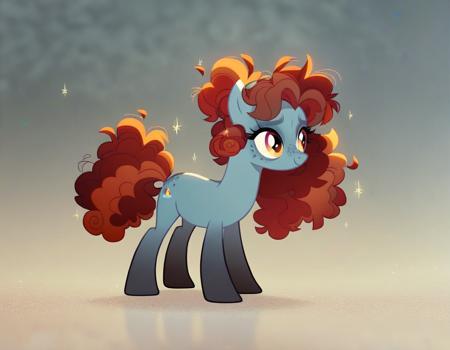
Figure 3. Sample output of a cartoon-style pony, demonstrating the model's capability in character design with expressive features and stylized color palettes.
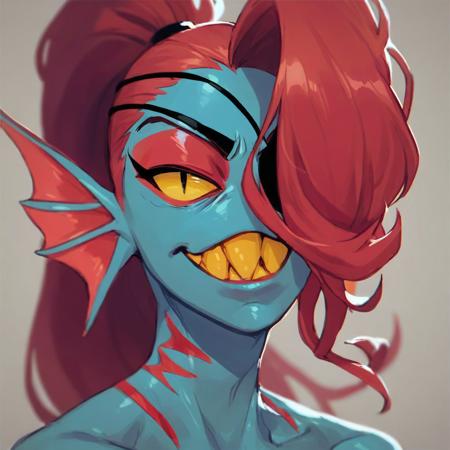
Figure 4. Model-generated stylized character, as used in documentation explaining quality tags and prompt construction.
Usage, Performance, and Limitations
Pony Diffusion V6 XL is optimized for use at a resolution of 1024px, but is compatible with most Stable Diffusion XL-supported resolutions. For reliable output quality, loading the model with a clip skip setting of 2 is recommended; proper prompt templates—such as a sequence of quality modifier tags followed by descriptive language and content-specific tags—yield the most consistent results, according to the usage guidelines. Negative prompts are typically unnecessary, and specific quality modifiers beyond those provided in the default template are discouraged.
In terms of practical performance, certain model-specific limitations remain. Some outputs may contain persistent pseudo signatures—artifacts resulting from particular training data patterns—which can be difficult to suppress even with negative prompts. Additionally, achieving maximum image quality often depends on providing a longer string of quality modifier tags, reflecting a quirk of the model's training process.
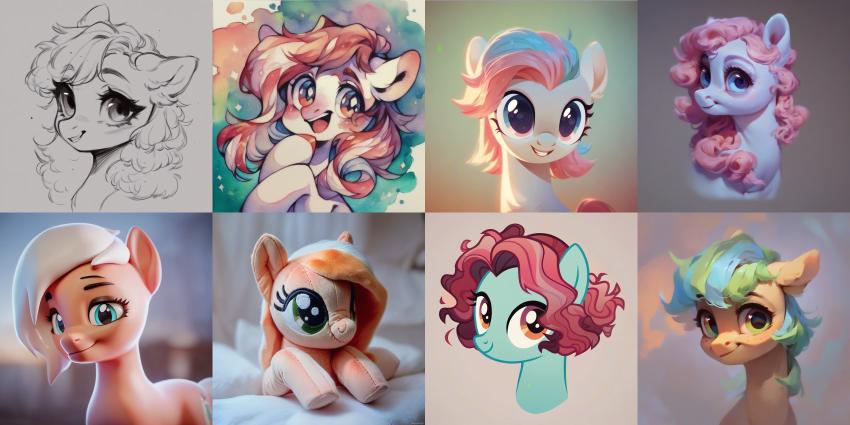
Figure 5. A range of artistic interpretations of pony-like characters, illustrating output diversity and style variability in model generations.
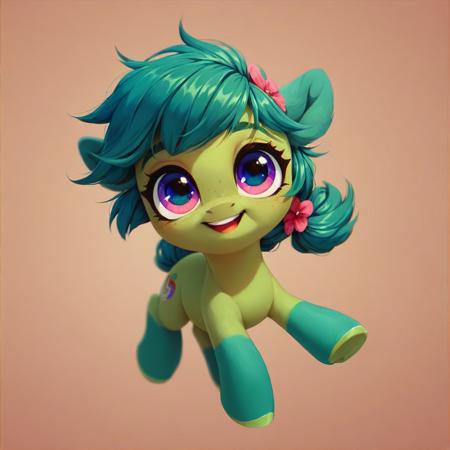
Figure 6. A colorful, stylized pony generated by the model, exemplifying its capacity for expressive character creation and cartoon aesthetics.
Version History and Model Family
Pony Diffusion V6 XL is part of an evolving lineage of generative models tailored for artistic content generation. The current version (V6 XL) was initially published on January 7, 2024, with ongoing updates and subsequent releases, including specialized merges and improvements; further details are available in the release history. Notable related models include Pony Diffusion V5.5, V6 Turbo merges, V6-1.5, and references to forthcoming work towards Pony Diffusion V7. Each iteration introduces architectural refinements or data adjustments, with some variants addressing specific issues or offering performance trade-offs, as discussed in the future development article.
Licensing and Usage Restrictions
Pony Diffusion V6 XL is distributed under a modified Fair AI Public License 1.0-SD. This license restricts the use of the model for commercial inference on monetized web services or applications, including any derived models or merges. For full licensing details, explicit permission must be obtained for commercial deployments, with blanket authorization currently granted to specific platforms such as CivitAI and Hugging Face. The intention of the licensing terms is to preserve both open research access and responsible commercial use.
External Resources
- Pony Diffusion V6 XL model page
- Fair AI Public License 1.0-SD
- CivitAI Guide to Model Resource Types
- How to Use Fine-Tuned Model Checkpoints
- Pony base model (YouTube reference)
- PurpleSmartAI Prompt Sharing Gallery
- PurpleSmartAI Opt-in/Opt-out Artist Program
- Score_9 Tag Usage Article
- Towards Pony Diffusion V7
- Towards Pony Diffusion V7... I mean V6.9!
- AstraliteHeart (model author) on Twitter
- Fictional.ai project homepage
- PurpleSmartAI Discord Community
More in the Stable Diffusion XL Family
Stable Diffusion XL
SDXL Turbo
SDXL Lightning
OpenDalle
Yamer's Realistic
AlbedoBase XL
Juggernaut XL
Realistic Vision XL
New Reality XL
Realism Engine SDXL
Animagine XL
Nightvision XL
Dreamshaper XL
ControlNet SDXL Diffusers Canny
ControlNet SDXL Canny
ControlNet SDXL Diffusers Depth
ControlNet SDXL Depth
ControlNet SDXL Recolor
ControlNet SDXL IP Adapter
ControlNet SDXL Open Pose
Compatible Apps
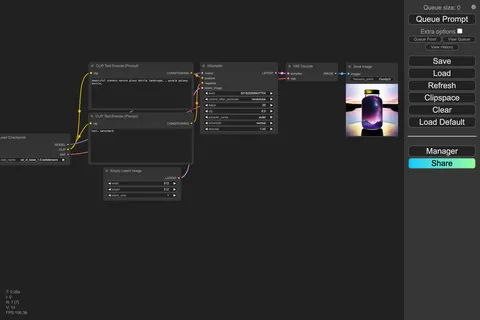
ComfyUI
A node-based workflow builder for advanced image and video generation, ideal for custom pipelines, fine control, and power users.
Web UI · API
Image Generation · Video Generation
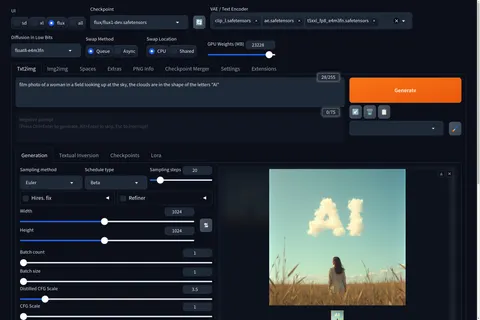
Stable Diffusion WebUI Forge
A faster, more experimental Stable Diffusion WebUI variant focused on improved resource use, quicker inference, and modern model support.
Web UI · API
Image Generation
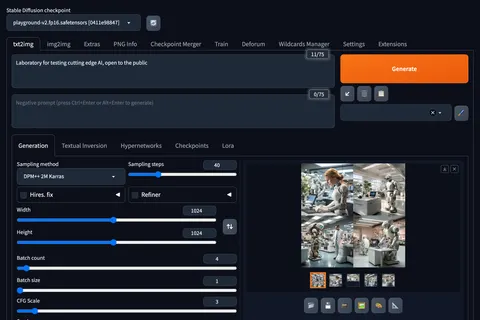
Stable Diffusion Web UI
A full-featured Stable Diffusion interface with deep controls for prompting, inpainting, extensions, and advanced image workflows.
Web UI · API
Image Generation · Video Generation
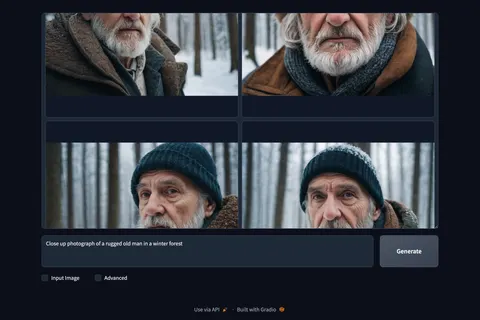
Fooocus
A beginner-friendly image generator focused on strong defaults, with built-in inpainting, outpainting, upscaling, and image prompting.
Web UI · API
Image Generation · Beginner Friendly
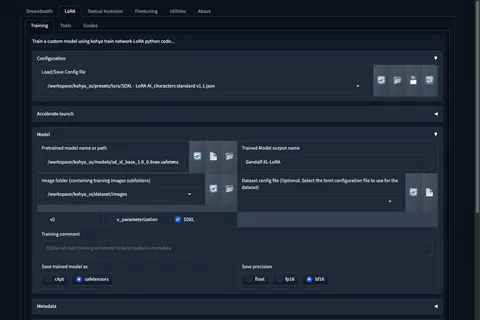
Kohya's GUI
Train LoRAs and fine-tunes for Stable Diffusion and FLUX with a popular GUI for Kohya-based training workflows.
Web UI · API
Fine-Tuning · Image Generation