TheDrummer
Behemoth 123B v1.2
Downloads
Model Report
Overview
Behemoth 123B v1.2 is a large-scale generative AI language model developed by BeaverAI, presented as a specific release within the Behemoth series. Designed for advanced conversational capabilities, rich prose generation, and immersive role-play scenarios, Behemoth 123B v1.2 emphasizes depth, creativity, and nuanced character interaction. The model has been made accessible to the wider research and open-source community, fostering collaborative evaluation and specialized application across creative and dialog-based tasks.

Figure 1. Illustrative branding for Behemoth 123B v1.2.
Technical Architecture
Behemoth 123B v1.2 operates with 123 billion parameters, categorizing it as a language model with a substantial parameter count for its release period, according to its Hugging Face documentation. The model leverages the BF16 tensor format, which allows efficient mixed-precision computation while maintaining numerical stability in large language model training and inference. Distributed in the Safetensors format, the model ensures secure serialization and integrity of weights, which is particularly important for research reproducibility and deployment across diverse environments.
The architecture supports conversational reasoning, creative prose generation, and sustained multi-turn dialogues. Behemoth 123B v1.2 has been optimized for tasks that demand intricate narrative understanding and improvisational capacity, with special tuning towards role-playing and character-driven applications.
Behavioral Characteristics and Use Cases
Users and early community feedback indicate that Behemoth 123B v1.2 produces varied and natural language outputs, exhibiting distinct characteristics from previous iterations in the series such as v1.1 and the 2.x series. The model demonstrates a propensity for generating less predictable, more original text, particularly in scenarios that involve narrative creativity, improvisation, and character interaction. This capacity is notable in role-playing (RP) contexts, where adherence to character profiles and dialogue realism are vital. Reports suggest that the model avoids impersonation, instead reliably adhering to the scenario or character definitions provided by users.
Behemoth 123B v1.2 is frequently employed for interactive fiction, character chat, and creative writing tasks. Users have reported that the model facilitates greater depth and realism in role-play scenarios, contributing to consistent story-driven experiences.

Figure 2. Illustration reflecting community engagement and character-driven output associated with the model.
Dialogue Formatting and Chat Templates
A notable feature of Behemoth 123B v1.2 is its support for creative chat templates, most notably the Metharme (Pygmalion in ST) template, which has been described as enabling varied and imaginative conversation flows. Users have found the model effective with first-person role-play formats that interleave action, dialogue, internal thought, and narration, such as the *action* Dialogue *thoughts* Dialogue *narration* structure. This supports immersive, multi-layered exchanges essential to advanced role-playing applications.
Character cards, such as "Audrey" by thecooler from CharacterHub, are often paired with the model for defining roles and attributes. Such structured prompts enhance the consistency and depth of character interaction, aligned with community best practices for interactive story generation.
Performance Evaluation and Model Comparison
According to user observations and available community leaderboards, Behemoth 123B v1.2 exhibits observed differences in performance compared to its predecessors. Compared to v1.1, v1.2 generates outputs characterized by less predictability and greater nuance. It also exhibits conversational stability as distinct from the 2.x series models. Users have provided feedback on the writing quality, dialogue realism, and adherence to character cards or scenario constraints.
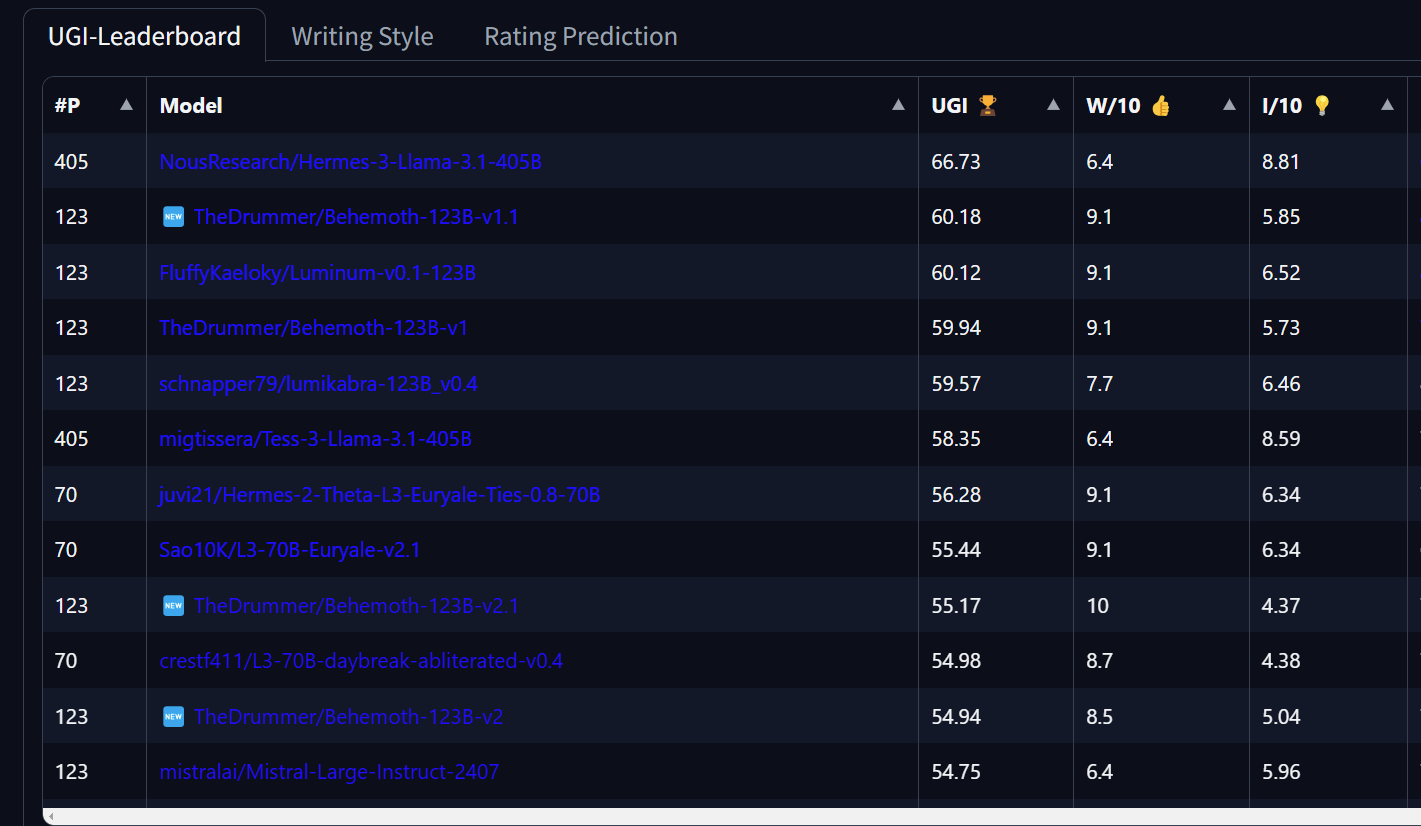
Figure 3. Leaderboard screenshot displaying rankings among Behemoth and other large language models.

Figure 4. Textual graphic associated with Behemoth 123B v1.2.
Distribution, Accessibility, and Community
Behemoth 123B v1.2 has been publicly released via the Hugging Face model repository, with variants including GGUF-optimized versions and a small-quantization version by iMatrix. The model's open distribution has encouraged active community feedback, with user engagement facilitated through the BeaverAI Discord server. As of the latest reported data, Behemoth 123B v1.2 has seen hundreds of downloads. Its download count indicates an active presence in research and enthusiast domains.
The model supports deployments in environments compatible with BF16 tensor operations and the Safetensors serialization, contributing to compatibility with contemporary machine learning frameworks. While the license associated with Behemoth 123B v1.2 is not explicitly stated in the original documentation, its public release aligns with principles of open research and reproducibility.
External Resources
For further information and ongoing developments related to Behemoth 123B v1.2, the following resources are recommended:
- BeaverAI Hugging Face Profile — Official profile for BeaverAI, developer of Behemoth models.
- Behemoth 123B v1.2 Original Model Card — Technical details, usage recommendations, and model downloads.
- Behemoth 123B v1.2 GGUF Version — Alternative distribution using GGUF format.
- Behemoth 123B v1.2 GGUF (iMatrix, optimized for smaller quantizations) — Community-maintained optimized version.
- BeaverAI Discord Community — User support and discussion around the Behemoth model family.
- Character Card: Audrey by thecooler — Example character card frequently referenced in role-play with the model.
More in the Mistral Family
Mistral Large 2
Mistral Small (2409)
Mistral Small 3.2 (2506)
Mistral Small 3.1 (2503)
Harbinger 24B
Devstral Small 1.0
Mistral Small 3 (2501)
Cydonia 24B v2
Dolphin 3.0 Mistral 24B
Mistral NeMo 12B
Rocinante 12B v1.1
More from TheDrummer
Anubis 70B v1
Anubis 70B v1.1
Compatible Apps
Open WebUI
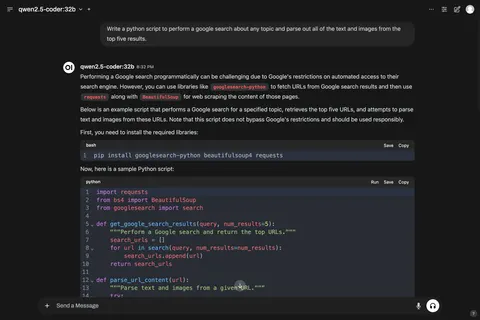
A polished, self-hosted chat interface for LLMs with Ollama integration, multimodal prompts, and extensive workspace customization.
Web UI
Chat UIs · Beginner Friendly
llama.cpp
GGUF model inference with a polished web UI and OpenAI-format API. CPU-only build — high hardware compatibility, works on any machine without a GPU.
Web UI · API · CLI
LLM Inference · Chat UIs
llama.cpp (CUDA)
GGUF model inference with a polished web UI and OpenAI-format API. CUDA build — GPU-accelerated for NVIDIA GPUs.
Web UI · API · CLI
LLM Inference · Chat UIs
Text Generation Web UI
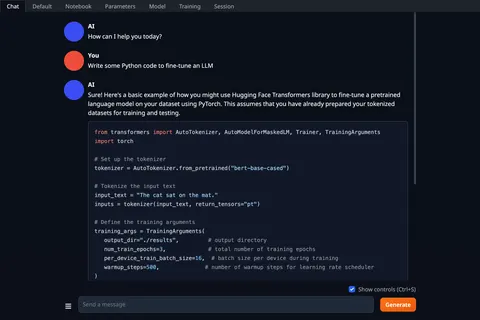
A feature-rich interface for running and experimenting with open-weight LLMs, including multiple inference backends, plugins, and tuning controls.
Web UI · API
Chat UIs · LLM Inference